Author: Store Manager A
A new Horizon Walker series! Explore kayak fishing through Cirrus users' backgrounds, methods, recommended tackle and more. Whether new to kayaks or already fishing from one, you may find a fresh perspective.
First is Yoko C, our current Cirrus ambassador who also helped with development and mainly fishes Suruga Bay.
Yoko C shares videos on YouTube too. Please take a look!
⇒https://www.youtube.com/channel/UCdlcmz4tCRCSsKZaV9AySKA
Longing for the Open Sea
Hasn't every angler dreamed of fishing freely away from crowds and reliably catching fish? In my third year after moving to Shizuoka, that was exactly what I wanted.
Suruga Bay is captivating: roughly 56km across its mouth between Cape Iro and Cape Omaezaki, about 60km deep inland, and 2500m at its deepest. Having researched marine environments offshore in neighboring Sagami Bay at university, I saw Suruga as unknown, immense, awe-inspiring and alluring. Getting a job in Shizuoka prompted an inward fist pump. Driven by curiosity about its fish, I bought tackle and sacrificed sleep to explore everywhere from Hamamatsu to Atami. My conclusion: people, people everywhere!
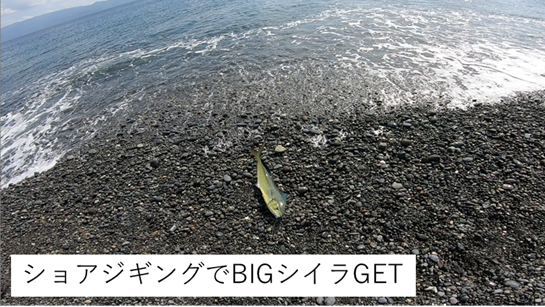
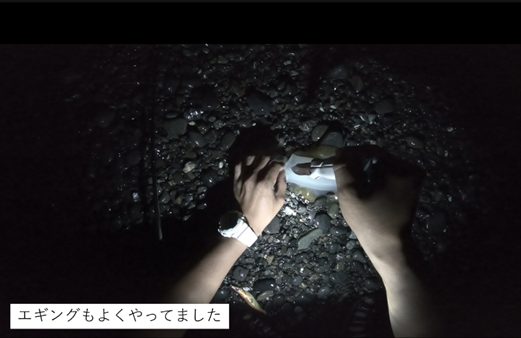
Shizuoka anglers were serious. There was no gap. In summer, dawn fishing begins around 4; I planned to arrive at 2, sip coffee under the stars, jig a little and await sunrise. That excitement was crushed instantly. Anglers lined the entire coast. Stunned by my Suruga Bay initiation, I quietly put my shore-jigging gear deep in the closet.
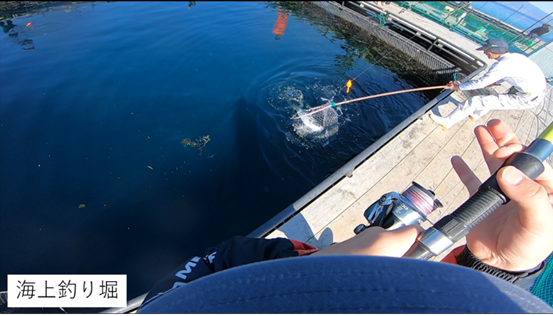
Charter boats? Sea fishing ponds? Managed freshwater fisheries? I explored options, but beyond money and time, something remained unfulfilled. Then YouTube showed me “A Day of Kayak Fishing.” I was captivated: my own time, space and methods, wave sounds, screaming drags and big fish. My kayak fishing life began there.
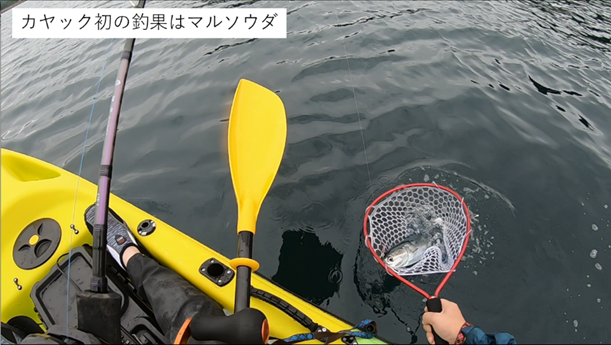
This blog aims to help people interested but unsure or hesitant move a little closer to trying kayak fishing. I will share its appeal, knowledge, successes and failures as an activity, plus costs, friendships and life experiences as a community. Since August 2022 I have been an ambassador for Horizon Walker's Japanese-made pedal kayak Cirrus. But I am no professional in seas, boats or fishing—just an angler who likes trying things. Much here is an amateur's perspective; I do not believe fishing or kayaking has one correct answer, though methods can suit or not suit a situation. Read lightheartedly, and forgive views that may be entirely mistaken. Cirrus is my main boat and I feel a mission to share its appeal, but I also want to speak broadly about myself as a kayak angler without being bound too tightly to that role.
My First Companion: Shinobi
The first obstacle was money. I am 29 this year and was 25 then; choosing a kayak mattered more than choosing dinner. Expensive kayaks approach kei-car prices. I knew a potentially life-threatening hobby required spending, but did not understand imports and could not spend too much. I often visited Viking Kayaks' Shimizu factory to learn. One day I found the exact yellow/lime Shinobi from the video—an outlet boat available immediately, while normal delivery was 1–2 months, with a deluxe seat. “This is it!” Seeing fate in chance, I asked them to hold it while I returned with ¥100,000 in 5 minutes and rushed to the nearest store at the legal speed limit.
The paddle-driven Shinobi is exceptionally kind to beginners: 23kg, 3.5m, 110kg maximum load, high stability and change from ¥100,000 (¥114,900 including tax as of September 2023). Polyethylene tolerates some rough treatment, and many users post well-regarded videos. Its specifications encourage newcomers. During my 3 years before switching to Cirrus, it consistently gave me reassuring, satisfying trips.
My First Trip Offshore!
Honestly, it was a disaster. That contradicts the reassurance above, but however I recall it, the first trip was terrible. I had no jigging tackle or fish finder, only minimum safety gear and shore-jigging tackle. Once out, I did not know what to do. Worse, it was windy.
Wind strongly affects the sea, Suruga Bay included. Winter northerlies and summer southerlies are prominent; direction alone can transform conditions. That day had a 4m/s southerly—criteria vary by experience and location, but hardly wise for an unaccompanied beginner. An experienced kayak angler seeing me would probably have pointed and lectured me.
Information matters, and I desperately lacked it. Curiosity led me out as if shore jigging. Shore fishing has risks too, but kayaking demands stamina and skill and has much greater danger: a single mistake can cost a life. Each person's conduct affects not just grieving families but the entire industry. I did not sufficiently understand that responsibility then.
With those regrets in mind, here is the knowledge needed to start kayak fishing.
I want to write with responsibility and confidence that this is useful preparation, so explanations may be painstaking and detailed. Read whichever parts you find necessary or helpful.
Let's Start Kayak Fishing!
Equipment & Initial Costs Before Starting
Kayak Hull
You cannot begin without one, but kayaks come in many types and personalities. Here I will group them by use and purpose and explain their characteristics.
I hope this helps you choose by matching them to your desired style.
Paddle Kayaks
The paddle-powered kayak most people imagine. Many are relatively light (15–40kg), easy to transport and affordable from around ¥100,000. Good maneuverability makes them versatile across many waters. However, paddling skill and practice are required, and both fishing and propulsion load the upper body, increasing fatigue. Speed and effort depend on paddling skill.
Pedal Kayaks
Powered by foot-operated drives, either propeller or fin types. Often heavier (30–50kg), with dedicated seats and drives and more complex mechanisms, they cost more (from ¥150,000). Designed for fishing, they offer steady propulsion even for beginners and faster travel, with easy rudder steering. Unlike versatile paddle kayaks, the drive projects below the hull and can strike rocks or wave blocks in shallow water, limiting locations.
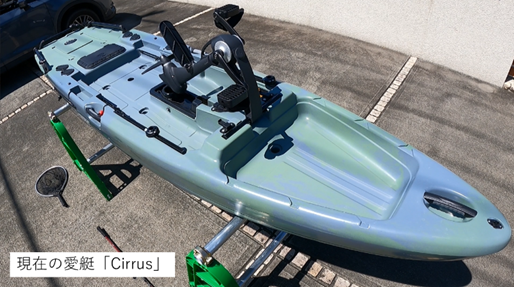
I own one of each, but if asked which I would keep using, I emphatically recommend pedals because they are kind to anglers. This has made my fishing much easier. Here is what that kindness means.
1. Conserves Energy
The drive home is a threat to anglers. After preparation, early departure and hours fishing on little sleep, intense drowsiness often strikes. Paddle kayaking concentrates both fishing and travel in the upper body: paddle, switch to rod, jig, fight fish, then switch back and move. Pedaling transfers most travel effort to the legs, reportedly five times stronger than arms. You can also fish while moving, carry tackle in your hands or retie while traveling (not recommended for safety because it narrows your awareness). On seeing fish, you can brake and drop the rig simultaneously. Compared with fatigue of 1 in a paddle kayak, pedals feel around 0.6. They are kind to your stamina.
2. Faster Travel
Offshore you naturally want to explore everywhere. Shore fishing follows a line; kayaking covers an area, with immense freedom. Yet distances are hard: Shinobi averages 4–5km/h; at 4, a kilometer requires 15 minutes of steady paddling. Moving around rapidly uses fishing energy. Pedals answer that wish. Cirrus averages 6km/h and sometimes 8 with favorable current—very fast. At 6km/h,
a kilometer takes 10 minutes. Those 300 seconds matter when constantly pedaling. My fishing range expanded dramatically, and with it the methods I could try.
3. Power Against Current & Wind
Weather can change abruptly. I plan to finish 2 hours before wind increases, but sometimes it arrives surprisingly early. Wind direction and strength are critically important. Onshore blows toward land; offshore blows seaward, the latter often troubling anglers.
A kayak is like a leaf on water, moved by current and wind regardless of your effort. If offshore current and wind overpower propulsion, you drift farther out even while trying to return. That can be disastrous. In a paddle kayak I once met such current and gusts and managed only 0.4km/h forward at full effort. Friends and a pleasure boat were nearby, but wind drowned out everyone's shouts. Those 10 minutes were terrifying; fortunately the wind then stopped.
Pedal kayaks—or specifically Cirrus—offer high thrust as well as speed. In a similar gust I maintained 4–5km/h at normal effort, astonishing me. This does not mean launching freely in strong wind is fine; I mean its emergency response capability is very high.
。)
There are many more benefits, which I will discuss in “Techniques Made Possible by Pedal Kayaks.”
Pedal Kayak Weaknesses & Drawbacks
Pedal kayaks are excellent, but have disadvantages too. This is a major purchase; understand the weaknesses before deciding.
1. More Gear
Paddle kayaks keep gear compact. Lower capacity also encourages carrying less. Pedal kayaks tend to accumulate gear: hull, paddle, seat and drive already fill much of the car. Cirrus then accommodates many coolers and tackle boxes, leaving it piled high. I have heard people quit because lengthy preparation followed by rough seas and cancellation becomes discouraging. Heavier pedal kayaks also take effort to roof-load, so finding whitecaps after an excited journey understandably dampens spirits.
2. Demanding Maintenance
A rudder cable or drive problem offshore is dangerous. Stories of failed 2 hp engines are chilling, and pedal kayaks also have multiple potential serious failures. Damaged fin drives may not be easily repaired. There is more to learn than with paddled boats. Higher cost and the temptation to overreach because of convenience are other drawbacks. Ultimately both have strengths and weaknesses. Decide what matters most and what you can tolerate or compromise on.
I have spent much time on the boat, but these other essentials are needed too.
Life Jacket
A life jacket is needed in a capsize. Fixed-buoyancy types are recommended because inflatable jackets are likely to obstruct re-entry.
Paddle
Even pedal kayaks need paddles for launching and landing while the drive is raised. A paddle is also essential to return if the drive fails offshore.
Flag
A visibility flag, generally mounted behind you, often red, orange or yellow for distant visibility.
Fishing Gear
Without it, most of kayak fishing's identity disappears.
I will explain more in “Techniques Made Possible by Pedal Kayaks.”
Useful Items That Multiply the Fun
The diversity of outfitting and equipment on each boat is part of kayak fishing's appeal.
Here are items I have encountered or currently use.
Fish Finder
A fish finder reveals the underwater world—an extraordinary pleasure for anglers. Beyond fish marks, it shows depth, water temperature, bottom contours, substrate and reefs, adding excitement and helping find your own spots. Prices start around ¥30,000, but some units' frequency limits prevent reading moderately deep water. Choose one matching your fishing style.
Landing Net & Gaff
A fish thrashing on deck can cause unexpected trouble. After tail strikes knocked pliers, lures and other small items overboard, I now try to keep fish in a landing net. I use a gaff for fish too large to fit.
Leash Cords
Capsizing can lose much valuable gear. Away from surf shallows, recovery is virtually impossible. Leashes on rods and paddles can prevent loss, but too many hinder handling and may entangle your body, creating drowning risk.
That is the basic kayak fishing equipment.
Individual outfitting may follow, but I like using the boat as supplied and do little customization. That is its own individuality.
Next time I will share methods tried, results and recommended rigs and tackle. Thank you for reading my imperfect prose to the end.