The effort you put in
makes the adventure your own.
Kayak and mini boat fishing: think for yourself and make your own moves.
Gather your gear. Load the car. Read the weather. Learn to paddle. Wash and put everything away when you return. Kayaks and mini boats take effort. Even after all that preparation, some days you cannot go out, and some days you catch nothing.
Still, as you learn, you become capable of more. You understand the wind and tides and learn to make your own decisions on the water. There is something admirable in that. We want to offer this kind of responsible adult recreation.
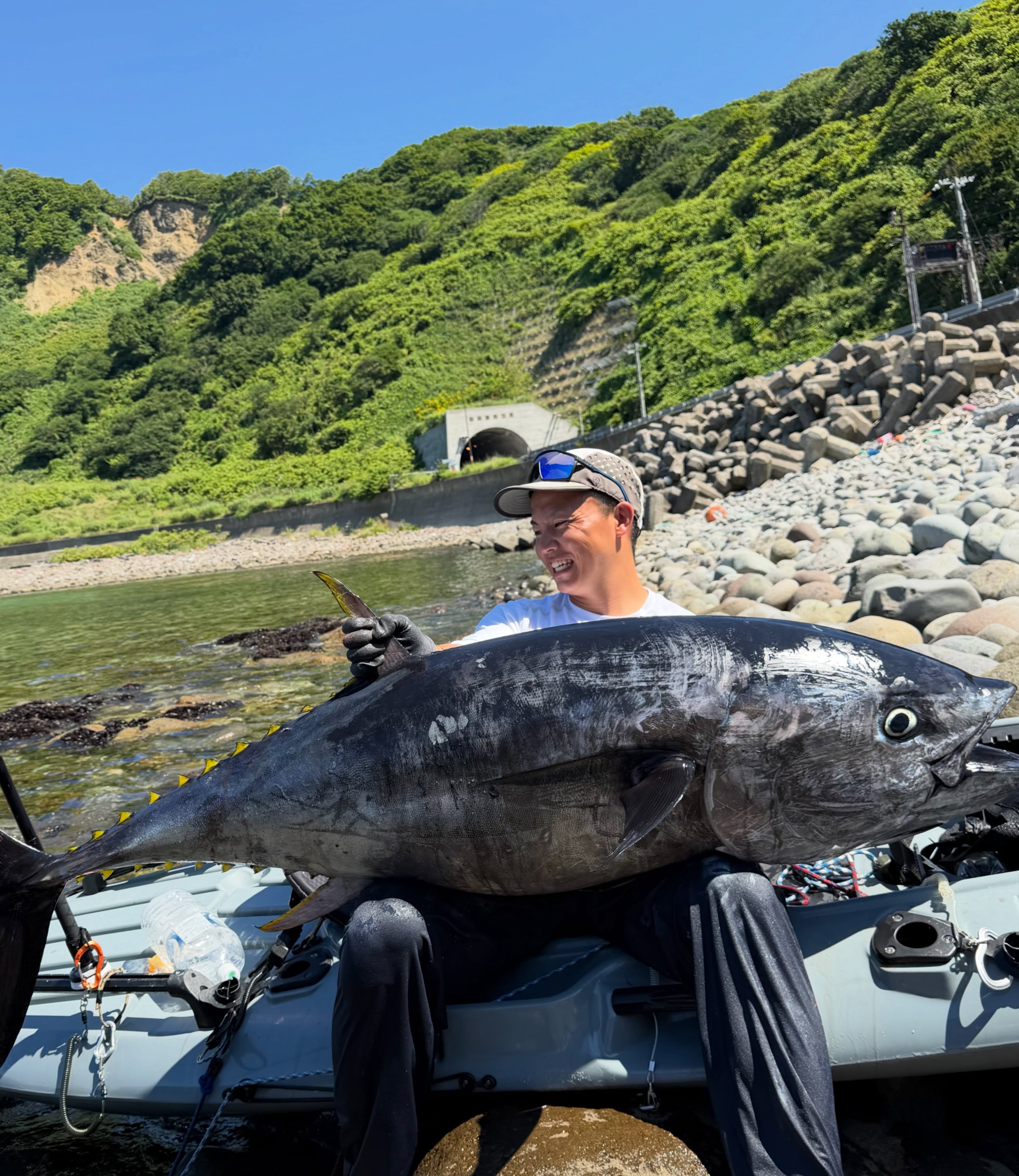
Reach the places you couldn't from shore.
Reach spots beyond your longest cast from the beach and drop your jig or bait yourself. You can also move along the shore to fish away from the crowds. Enjoy the freedom to fish at your own pace without constantly worrying about tangled lines or securing a spot.
Tide lines where different waters meet, baitfish boiling at the surface, flocks of feeding birds. Read the sea and decide where to try next. Return to learn the bottom contours and fish behavior, or seek a new spot. Enjoy the satisfaction of turning your ideas into catches, together with the quiet of being close to the water. Whether to pursue a target always depends on wind, tide, distance and your energy for the return.
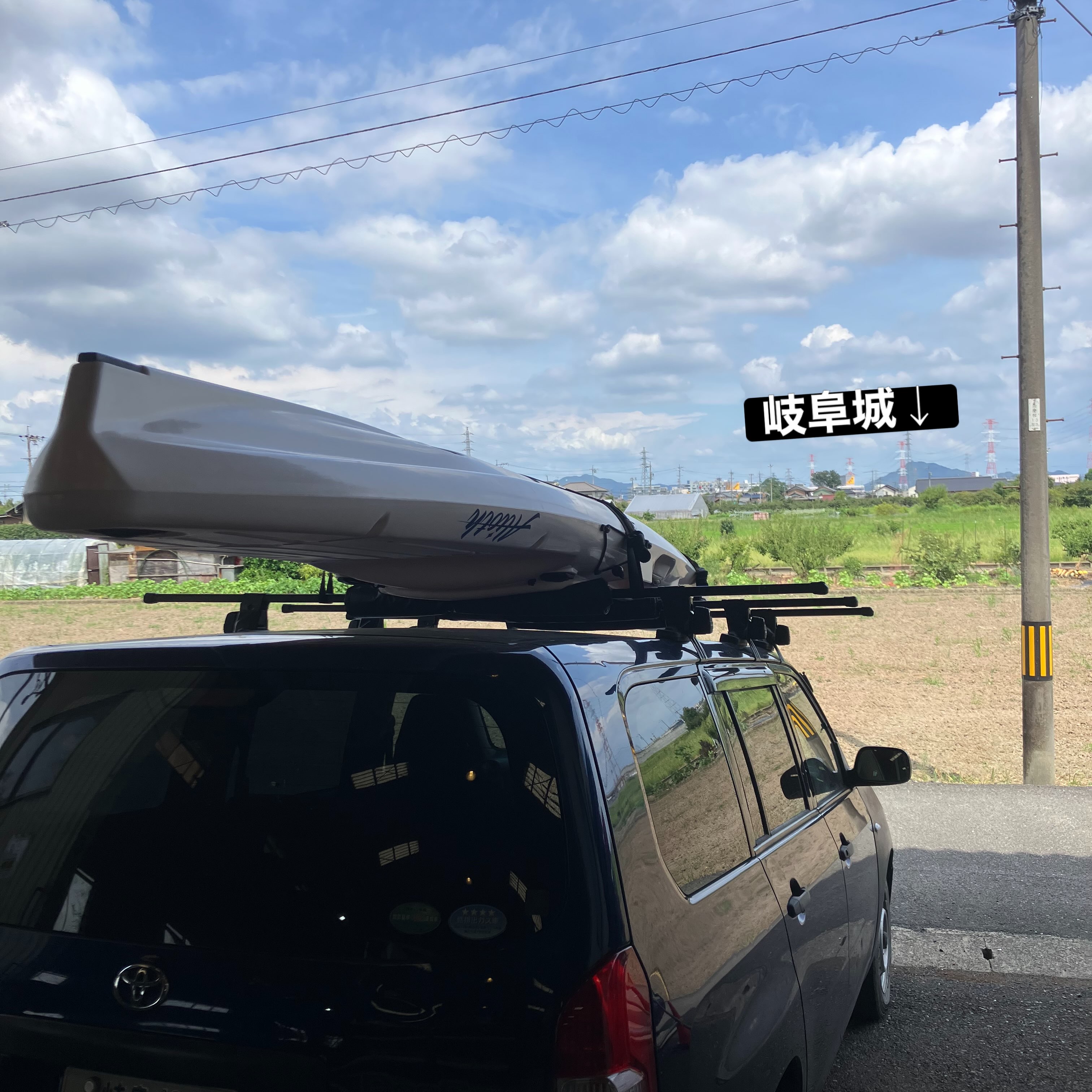
Take your familiar companion to a different sea.
Larger boats offer speed, space and comfortable equipment. But a boat kept at a marina often makes that launch point the center of your range. With a car-carried kayak or mini boat, you can choose your destination from land.
From Gifu, perhaps the Pacific coast of Ise-Shima today, the Sea of Japan at Tsuruga, Fukui another day, or Lake Biwa. Take your trusted companion to places with different terrain, water colors and scenery. It brings travel and fishing together. Check each destination's rules for launching, parking and fishing.
The difference from a fishing charter is planning it yourself.
Fishing charters let you focus on fishing with the captain's guidance. Shared trips have set meeting times, fishing methods and gear requirements. With your own boat, within safety limits and local rules, you decide where to fish, what to try and when to return. Choose whether you prefer a day with preparations handled for you or a day you build yourself.
Start your first day with practice before fishing.
First you need a boat, a properly fitted life jacket, a paddle, a visibility flag, and clothing suited to air and water temperatures. Carry a paddle even in a pedal kayak in case the drive fails. For a 2 hp mini boat, prepare a backup means of propulsion usable with your boat, such as oars or a paddle, and learn to use it. Check compatibility and operating conditions before using an auxiliary electric motor.
You need not load all your fishing gear and aim for a distant spot at first. Start near shore: move, stop, turn and return. Learn your stamina and the boat's behavior by paddling. Learn from experienced users or a dealer, and avoid practicing alone.
Do not choose a practice spot just because it looks calm.
Choose calm waves and currents where you can return quickly. Ponds and lakes are not necessarily open for unrestricted use. Even at a calm swimming beach, stay out of swimming areas and away from swimmers, and check the manager's rules. Consider parking, access to the water and whether you can return if the wind changes.
Pedal-drive propellers and mini boat outboards extend below the surface. They can hit the bottom and be damaged in shallow water. Paddled boats also need care around rocks and obstacles. Being near shore does not automatically mean being safe.
Can you get back aboard after falling in?
Capsizing or falling overboard can happen. Practice re-entry while wearing your actual equipment. With instruction, find a method suited to your boat and build, whether from the side or stern. Swimming and climbing back aboard are different skills. With a new or repaired boat, check its condition and handling near shore before extending your range.
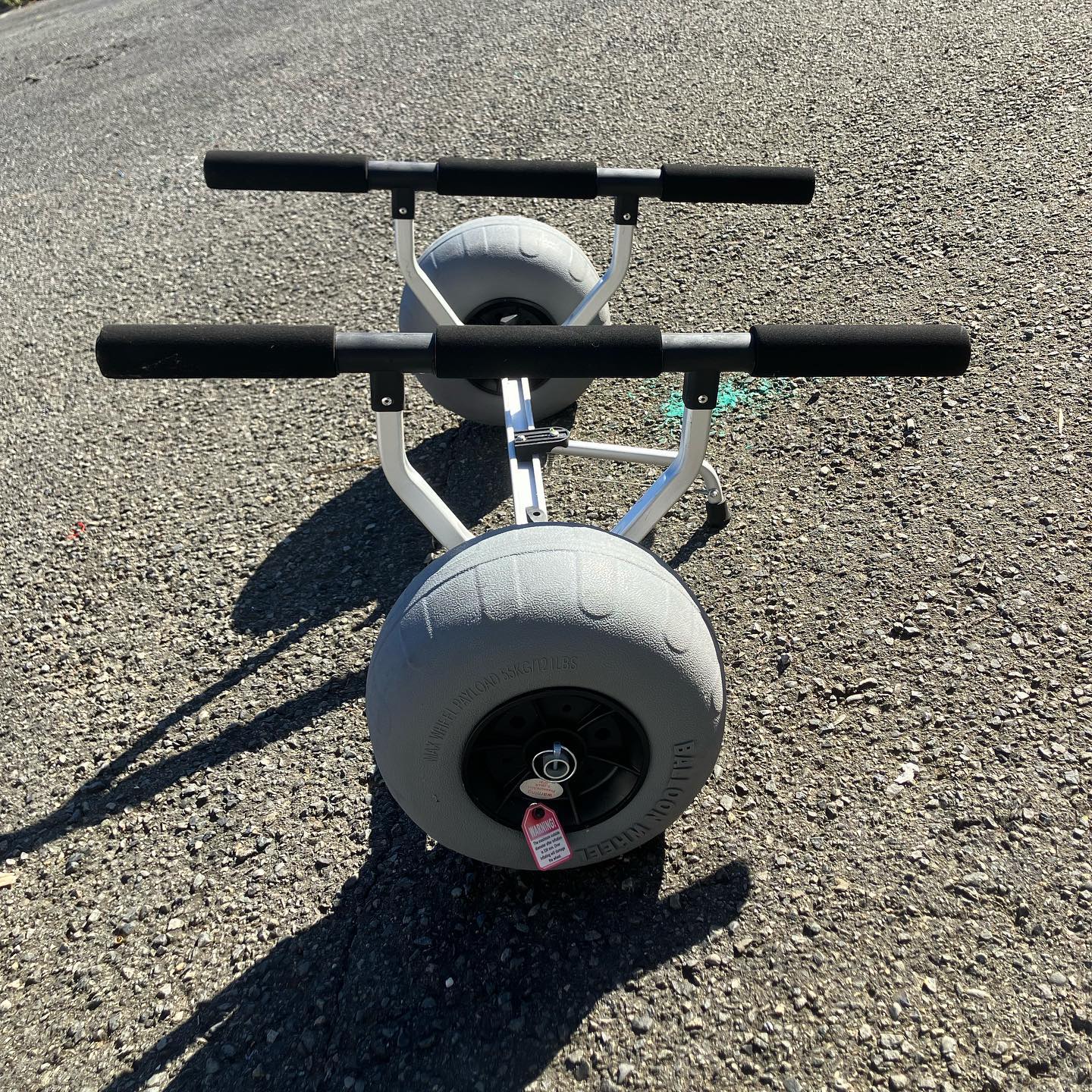
Load it, move it to the water, and store it at home.
Roof transport requires a carrier compatible with both car and boat. Check the carrier and vehicle load limits, boat dimensions and loading method, and secure the boat with suitable tie-down straps. Avoid deforming the boat by overtightening, and watch for loosening during travel. Consult a dealer if unsure.
From the car to the water, you can carry the boat or use Just Fit Dolly to roll it without continually lifting it, provided the boat is properly secured. Handling varies on sand, steps and slopes. Consider the route from parking to water before buying.
Even after moving the boat, you may need several trips between car and water for your gear. You can work up a sweat even on a cold morning before paddling begins. Consider whether the full routine, including washing, drying and storage at home, fits your life. Ask a dealer about storage methods and support points suited to your boat.
How many kilometers offshore? A number alone cannot tell you.
We cannot give a fixed offshore distance for a boat. It depends on paddler skill and stamina, boat characteristics, wind direction and speed, waves, currents and the return route. Learn your reserves near shore and plan within a range you can return from even with a headwind or failed propulsion. Reachable distance and safe return distance are not the same.
We regard wind speeds up to around 3m/s as one cautious guideline. This does not mean speeds below 3m/s are safe. Offshore winds, strong currents, swell or a rapidly changing forecast may require canceling even in lighter wind. Consult Japan Coast Guard mini boat guidance and use stricter limits suited to your boat and experience.
Safety takes more than a single piece of equipment.
Fatal accidents can occur at sea. Wear a life jacket and make yourself visible with boat color, clothing and a flag. Keep waterproof communications on your body. Tell family or friends your launch point, planned range, return time and contact method. Mark your name and contact details on the boat, and notify search authorities even if only the boat drifts away. Agree in advance what to do if you are late returning.
Devices that detect a fall overboard and send an alert are another option. Check limits such as coverage and power, and do not rely on one device. Keep practicing handling and re-entry, building fitness and checking equipment, and discuss safety with companions.
Dress for falling in, too.
Summer requires protection from sun and heat illness: quick-drying coverage, a hat, hydration and breaks. Wet clothes cool the body, so consider water temperature and wind even on hot days. In winter or cold water, protection against hypothermia matters. Ask experienced users or a dealer about drysuits, suitable wetsuits and warmth after immersion. Rainwear alone is no substitute. We do not recommend waders in kayaks because they may hinder movement and re-entry after falling in.
Safety information:Japan Coast Guard canoe safety information/Precautions when operating mini boats
Keep these places available for the next person.
Safety and manners matter beyond your own enjoyment. Accidents or disturbance to neighbors can cause sites to close to kayaks and mini boats. Protecting access is part of our responsibility as users.
Take litter home. Park only where permitted. Near homes, consider early-morning conversation, car doors and preparation noise. Do not obstruct fishing boats, ferries or cargo ships in ports; observe shipping lanes, restricted areas and fishing rules. Freedom to escape the crowds does not grant unrestricted access everywhere.
Responsible recreation means learning consideration for others as well as preparation.
Starting costs depend on the gear you already own.
For example, a Cirrus at ¥240,000 plus an assumed ¥60,000 fish finder totals ¥300,000. Buying a carrier, life jacket, paddle and clothing new could bring the total to around ¥400,000 as one guideline. This example reflects the time of the interview; costs vary with vehicle, equipment, shipping and more.
An Alioth paddle kayak changes the initial boat cost. If you already own a carrier, fish finder or paddle, you can reduce spending accordingly. A fish finder is not essential for initial practice. A 2 hp mini boat needs a separate estimate because equipment such as an outboard differs.
Some compare ownership with regular charter fees. But vehicle travel, consumables, storage and maintenance also cost money. There is no universal number of trips to break even. Also consider how much you value the freedom to plan your own day.
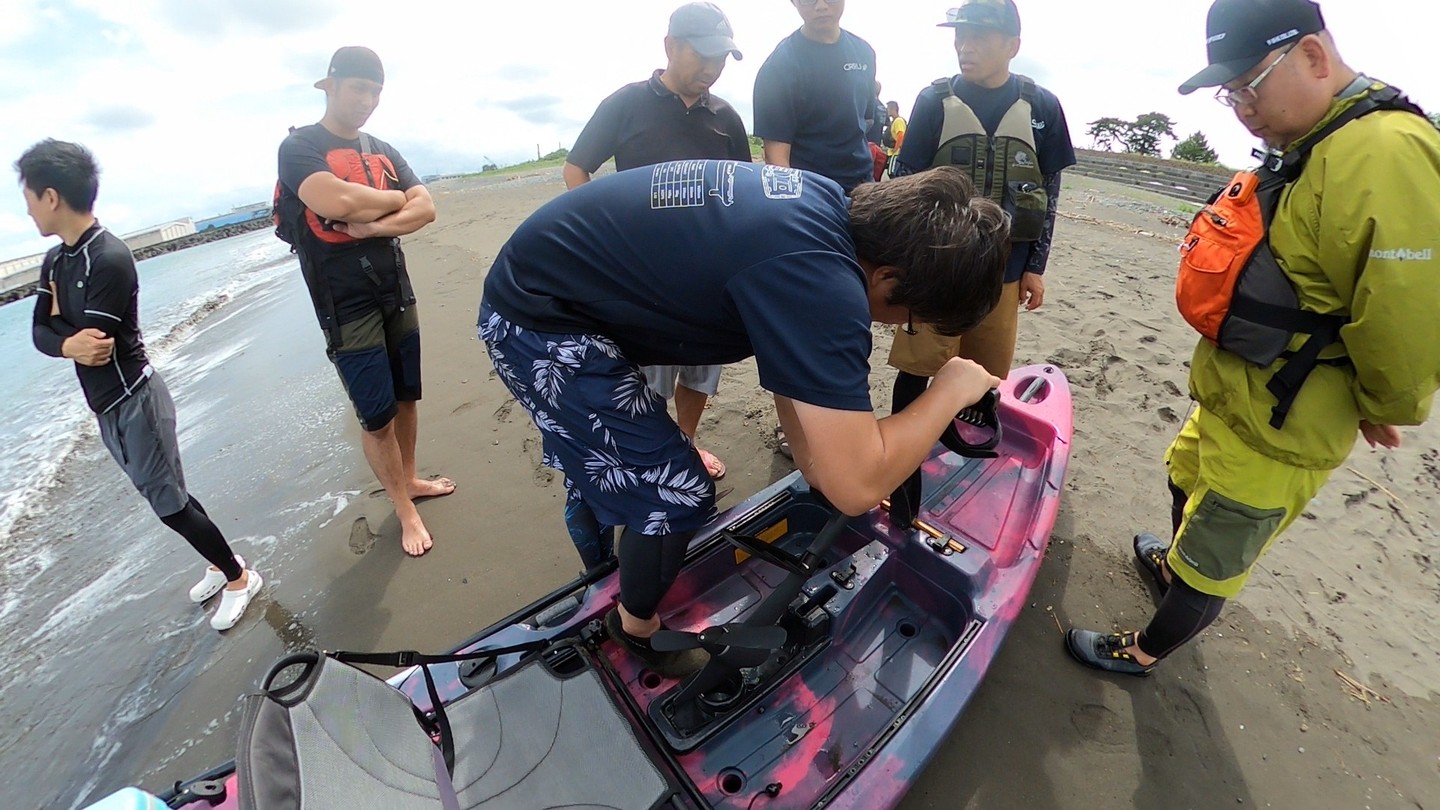
Unsure you can keep it up? First, handle it and try it.
Lift an actual boat at a dealer. Ask whether it fits your car. Consider the route to the water. If trials are offered, paddle, return and handle the boat yourself. Imagine the entire day from preparation to packing up, not just the lifting.
Trials are not available at the GH Industries factory in Motosu, Gifu. Some dealers offer paid or free trials, or experiences including fishing. Ask each dealer about availability and conditions. Videos shared by Cirrus and Alioth users can also show transport and fishing in practice.
Why Horizon Walker?
Pedal-driven Cirrus, paddle-driven Alioth, and our upcoming 2 hp mini boat. We want to help you consider not only how to fish at sea, but whether you can transport, store and keep using your boat. We value a relationship where you can consult the maker about outfitting and repairs after purchase.
You do not need to know everything at first. Learn, try things and develop the judgment to turn back. Step by step, you and your companion can reach more places and enjoy more on your own terms. Begin that kind of day with Horizon Walker.