Author: Store Manager A
Tankers, container ships, ferries, bulk carriers and crane ships usually sail far beyond kayak range. Near ports, however, kayaks and SUPs may face collision risks with them.
Like cars, large ships cannot stop or turn suddenly, so
kayaks and SUPs must stay out of large ships' paths
as a basic premise.
Legally, kayaks are vessels. Article 18, Chapter 2 of the Port Regulations Act states:
“Small craft shall keep clear of the paths of vessels other than small craft within a port.”
Kayaks classified as small craft must therefore keep out of the way of all other vessel categories.
Opinions differ on whether SUPs fall into this small-craft category.
This takes priority over familiar maritime rules about
vessels to starboard or keeping right. Even outside ports, kayaks should remember the rules of the sea, maneuver to keep clear and cooperate with safe traffic.
―
Whistle Signals
Large powered vessels must communicate their maneuvers by whistle, though in practice they do not always do so.
Knowing these signals offers clues for safe recreation at sea.
One short blast: turning to starboard
Two short blasts: turning to port
Three short blasts: going astern
Act on Preventing Collisions at Sea, Chapter 4, Article 34
When underway power-driven vessels are in sight of one another and alter course or operate astern propulsion under this Act, they must give whistle signals as follows:
1. One short blast when altering course to starboard.
2. Two short blasts when altering course to port.
3. Three short blasts when operating astern propulsion.
Source.
Paragraph 5 of Article 34 also specifies a warning signal.
When vessels in sight approach and one cannot understand the other's intentions or actions, or doubts whether sufficient collision-avoidance action is being taken, it must immediately give at least five short, rapid whistle blasts.
The vessel giving that whistle signal may also give at least five rapid light flashes.
At least five rapid short blasts: warning. Take particular care if you hear this.
Depending on the crew's frustration, the actual pattern may differ from the law.
Kayaks and SUPs must give way to all vessels of different categories, so check around immediately and keep clear if this signal is directed at you. Better still, avoid entering places where it becomes necessary.
―
Stopped Ships, Moving Ships & Sea Rules
Unless tied to a quay, a ship is generally underway or at anchor.
Here is how to identify an anchored ship in particular.
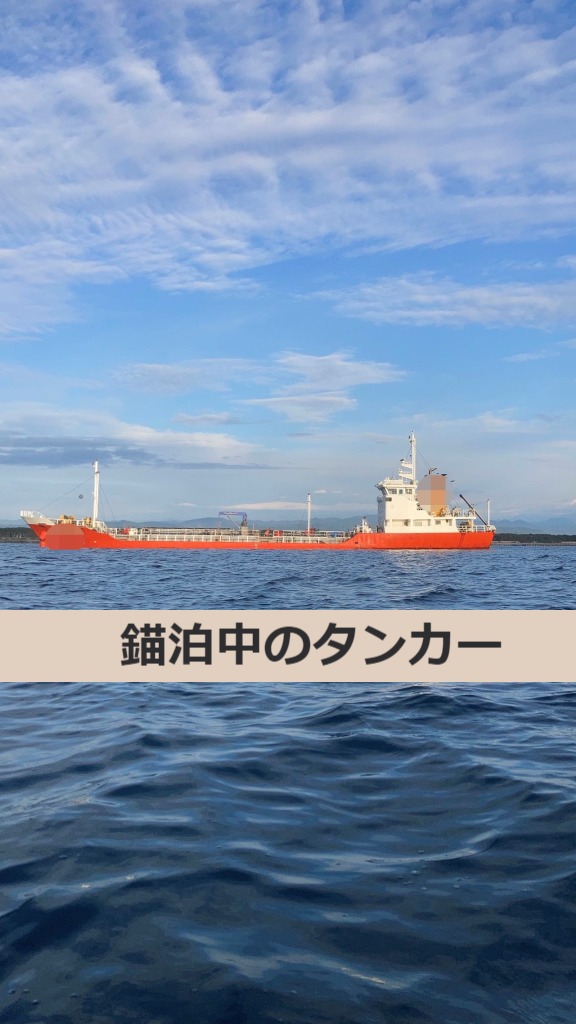
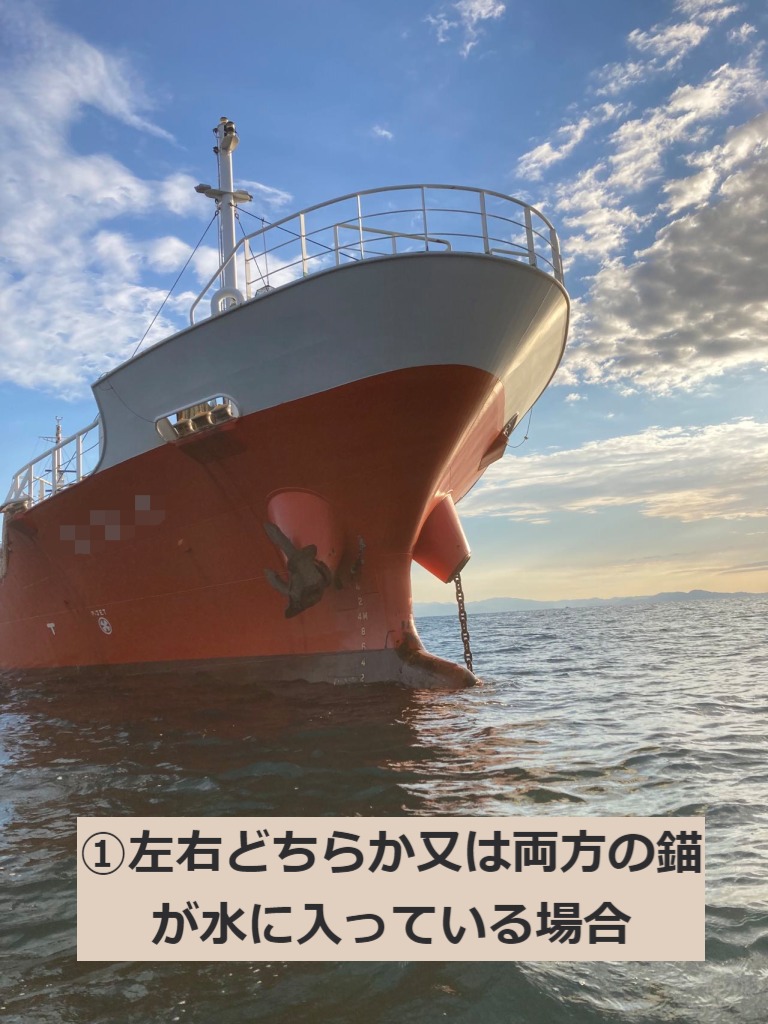
Ships usually carry two anchors, port and starboard. They may use one or both, but both are normally used in severe weather—when you should not be out kayaking or SUPing.
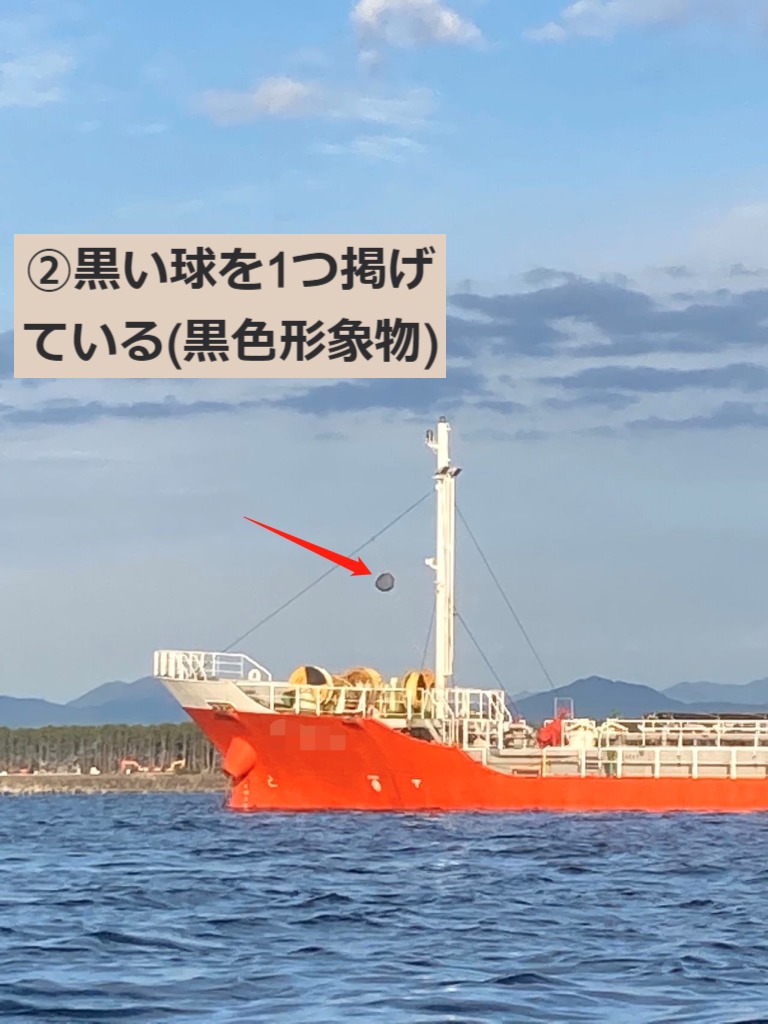
One black ball day shape indicates anchoring.
However,
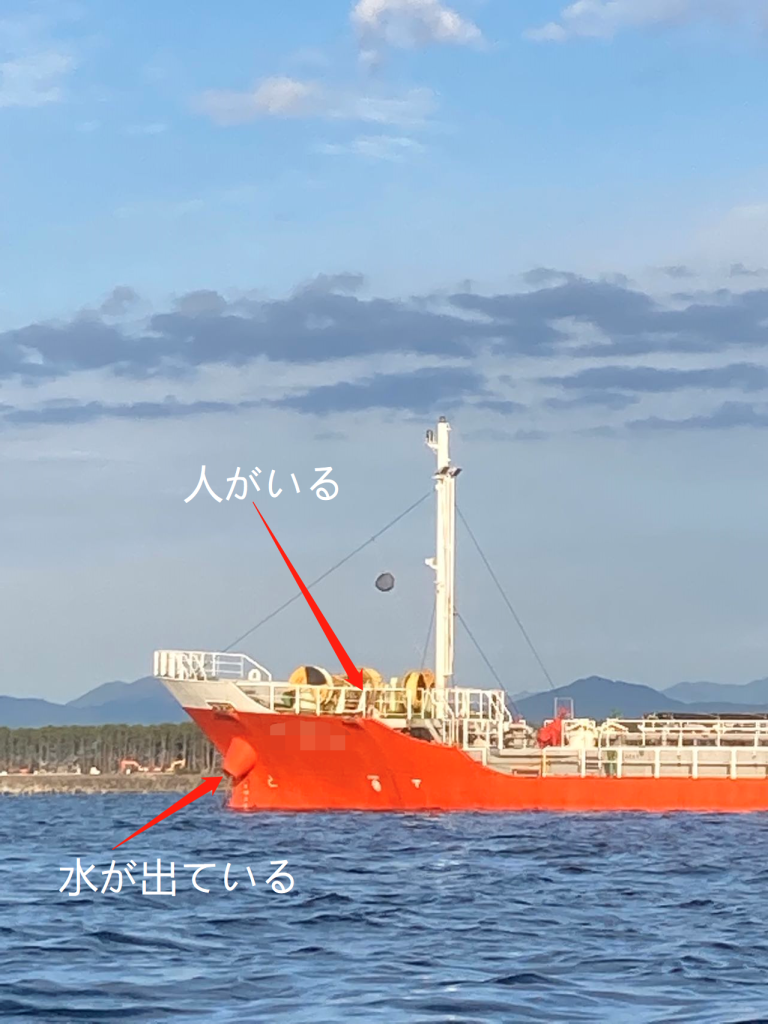
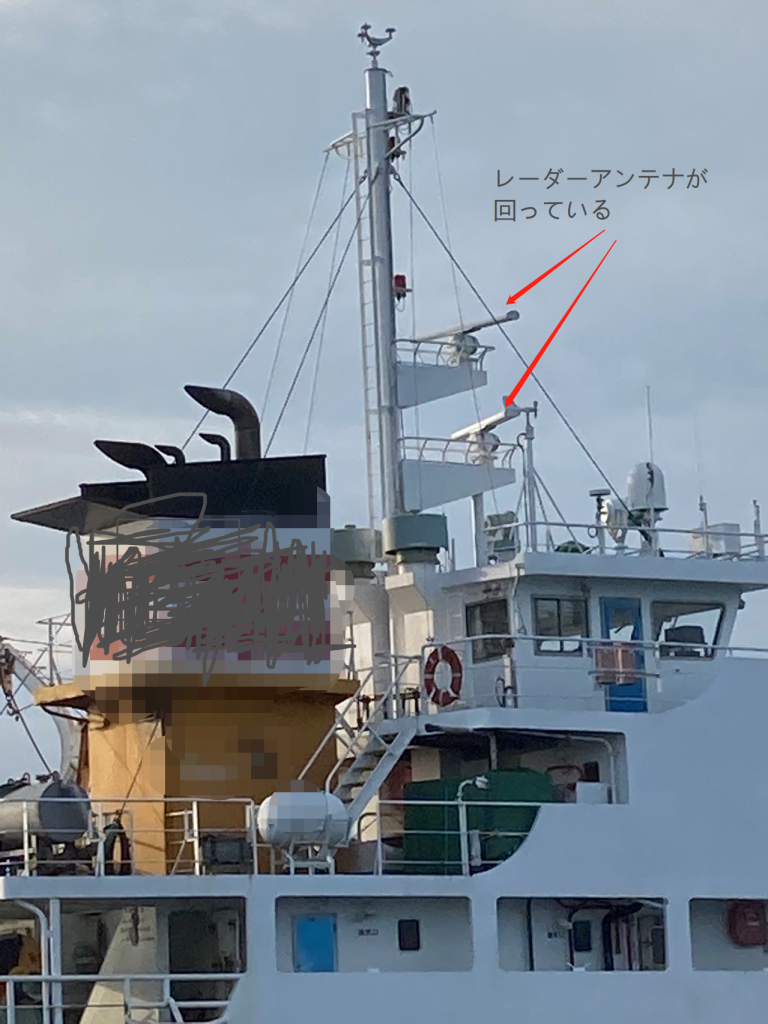
water flowing from the anchor-chain opening, people on the bow and a rotating radar antenna high on the stern structure suggest the ship is preparing to weigh anchor. Move away promptly.
You rarely encounter such cargo ships away from large ports, but a kayak is still a vessel. If enjoying kayaks or SUPs near large ships, keep this knowledge in mind as a responsible participant in maritime safety.