Author: Store Manager A
I ended last time promising tai rubber, then realized readers researching kayaks surely want more about kayak fishing itself. So I will set that aside and return to basics with a day of kayak fishing. From preparation to packing away, what are its pleasures and realities? I hope my routine helps someone. Though I say a day, it is really about a day and a half.
Preparation
A kayak is naturally smaller and less flexible than your room (some may feel the reverse). Wind creates waves and swell often arrives. I therefore minimize fiddly work aboard. My kayak fishing begins the previous evening.
Rods & Reels
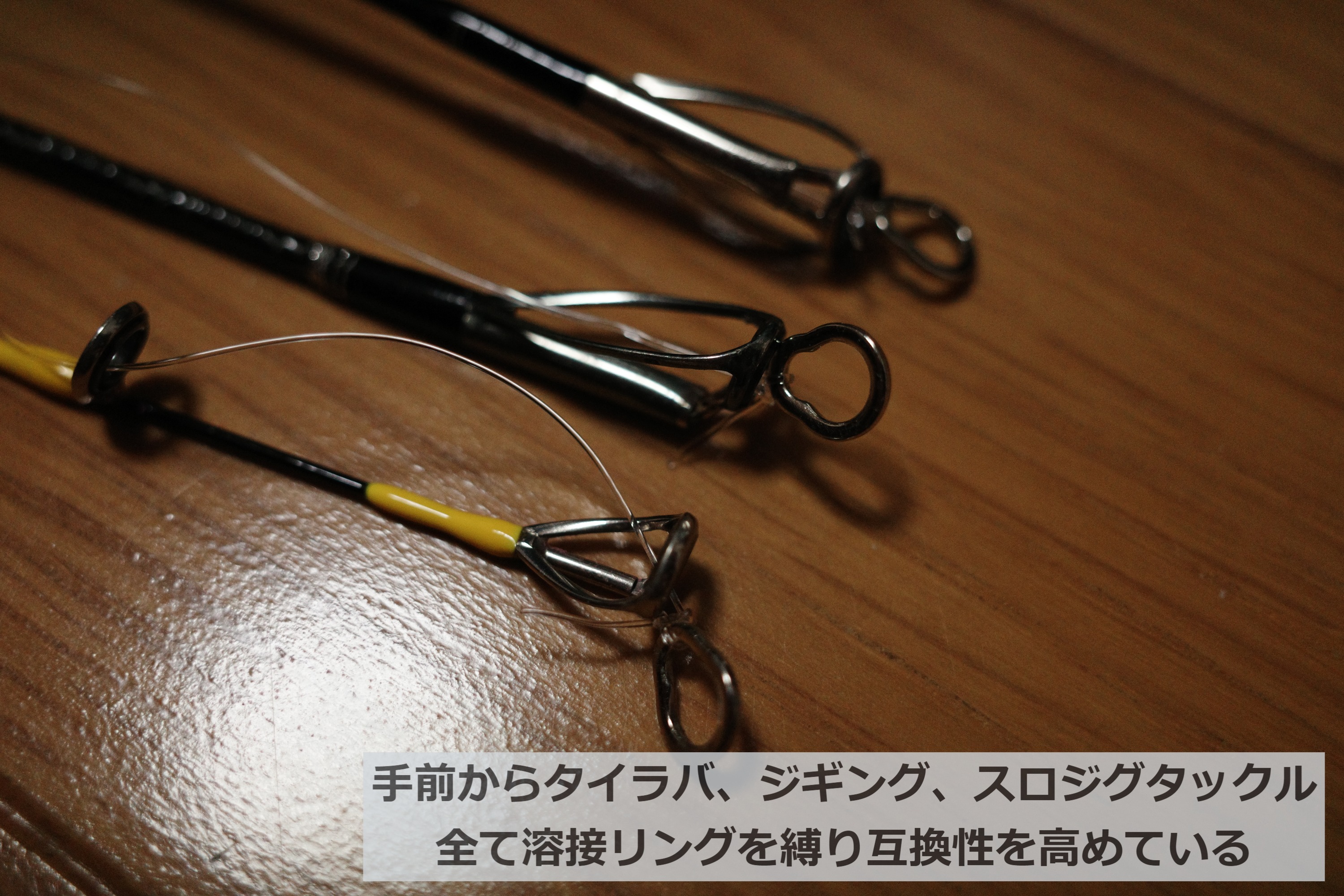
Fit rods and reels the day before, tying braid, shock leaders and solid rings. That alone completes over half the preparation. If taking several rods, use basically the same rig apart from line strength and ring size. This increases interchangeability: tai rubber on spinning tackle or light bait fishing on tai rubber tackle.
Of several rigging precautions, I think retying leader and solid ring every trip matters most. A sound knot could last two or three trips, saving money. But after a big fish or abrasion causes a break, you inevitably wish you had retied. Eliminate avoidable self-inflicted disappointment aboard.
Rigs: Jigging Lures
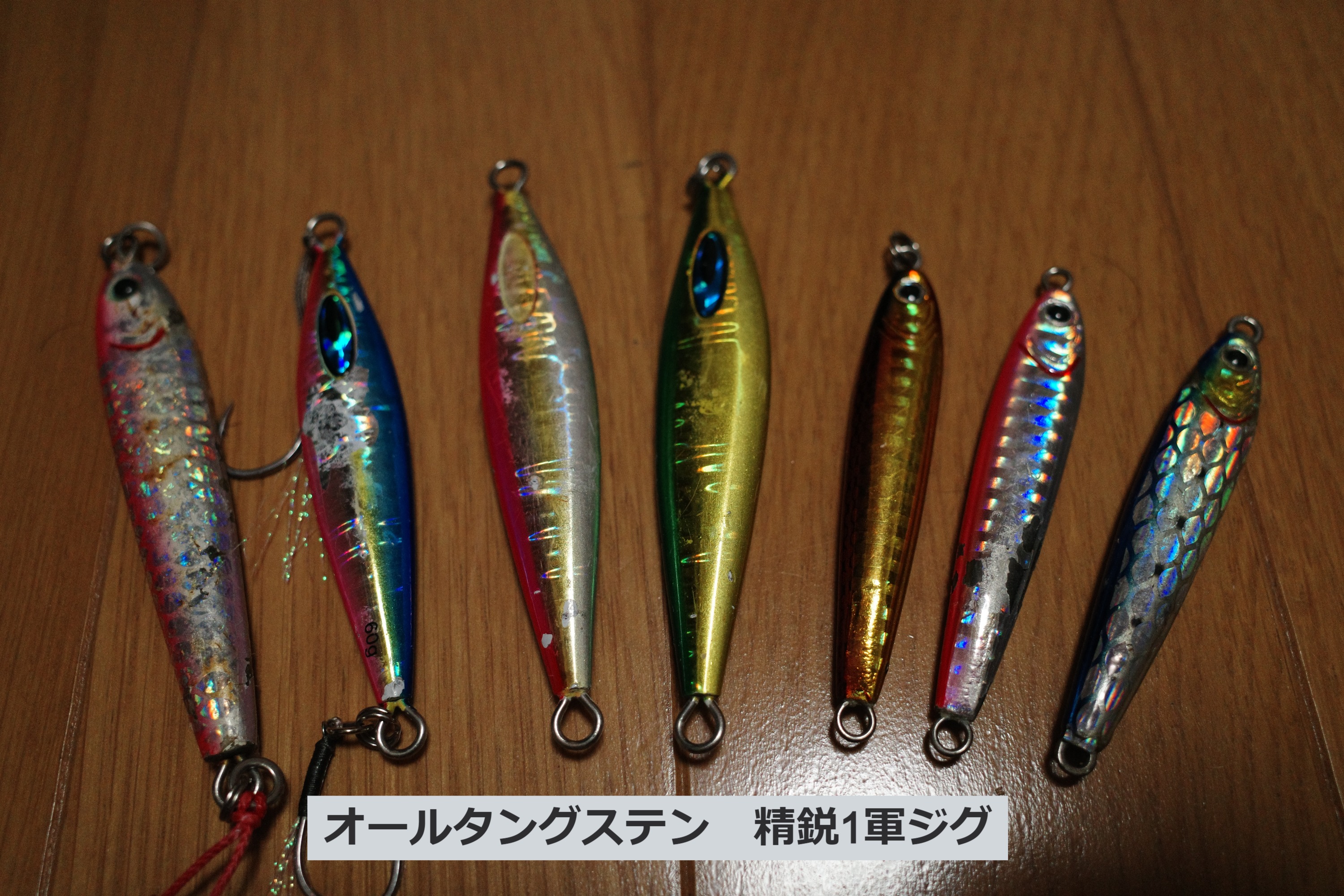
Rigs vary greatly with the method. For jigging, start by narrowing the selection to about three jigs. Buying lures is a bottomless swamp: the huge selection turns you into a zombie wandering tackle shops. Prioritizing minimal work aboard, I stick to the day's chosen lure even in difficult conditions. Material, shape and color become the key choices.
Lure Shape
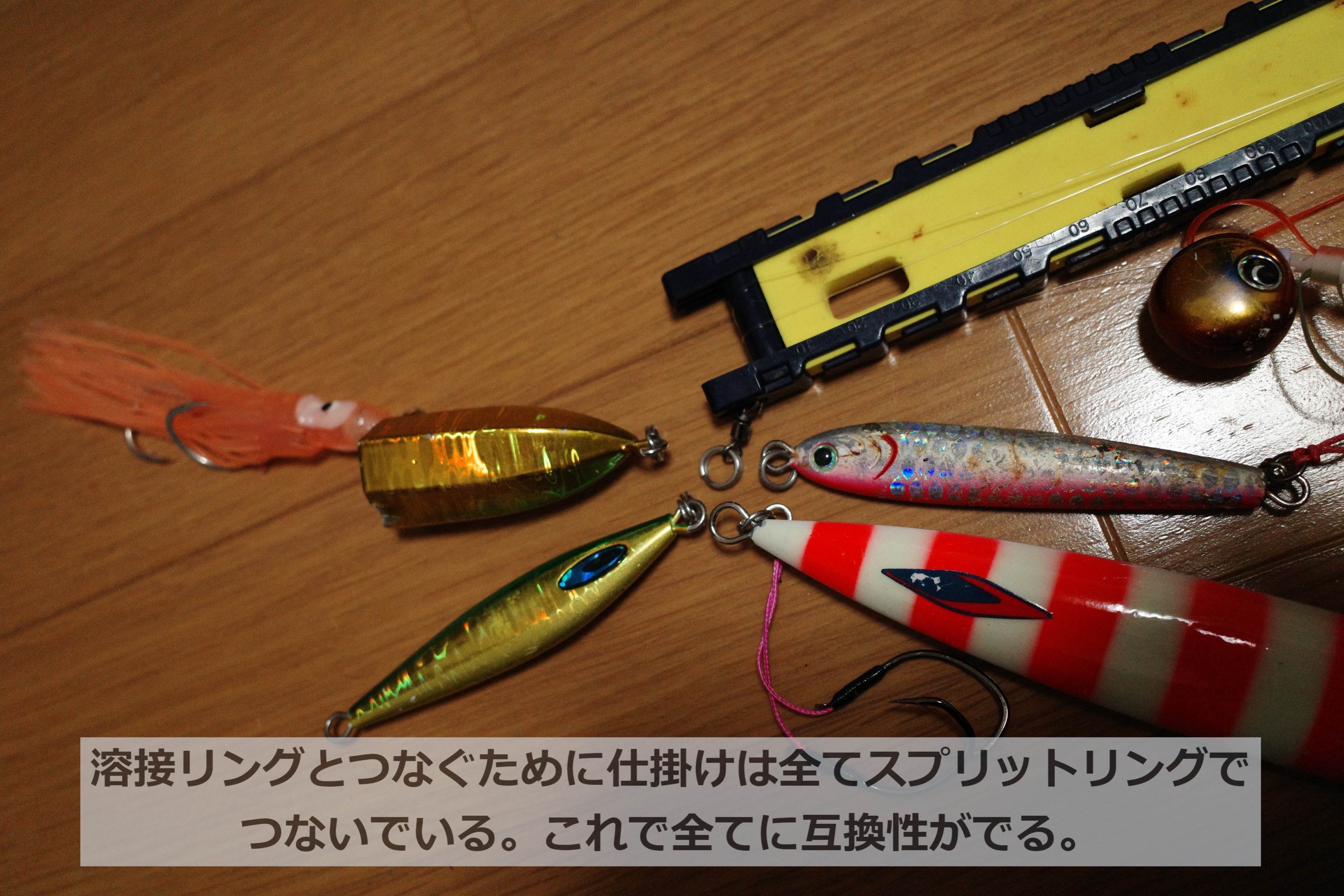
My conclusion: any shape you believe will catch is fine. Lead works, though tungsten seems more productive to me. Green/gold, red/gold and pink (or blue/pink) should cover you. I know others disagree, but this is guidance for confused beginners. Think about shape: store-bought lures, despite differences, should all have passed stringent testing. Selling an ineffective design casually would hardly end well. People even catch yellowtail and sea bream on spoons and screws. Let yourself be hooked by a jig you want to catch with, and you will enjoy using it.
By that logic, material and color passed testing too, so anything should work! Exactly. I am only sharing choices that happened to give me relatively good catches.
Lure Material
Still, here is my plausible theory. Tungsten is about 1.7 times as dense as lead, enabling compact, heavy jigs. Given a 500g steak or bite-sized cubes, which is easier to eat? Compact prey matters to wildlife whose failed hunts can mean death. Fast sinking also helps: if fish register at 70m, a slow jig may arrive after they leave. Kayak fishing often involves such fleeting opportunities. DAIWA TG Bait is a standard choice: expensive but dependable. The newer tungsten FK series emphasizes the fall and also produces consistent catches. Prepare weights from 30–80g.
Lure Color
Opinions on color vary. Realistic live-bait colors are increasingly common, but I do not use them—not out of dislike, just lack of interest. Countless kayak fishing videos show each angler's own choices. To avoid misunderstanding, I confidently present my reasoning as one possible answer among many.
Green/gold is among my most productive colors, particularly for red sea bream. A friend on his first kayak trip recently caught one on the first drop. It is my first choice when I need a lure. Manufacturers vary in where and how much green/gold they use; I favor the 60g DAIWA FK tungsten jig version.
My main grounds, Suruga Bay, are often fairly cloudy, especially Fuji–Yaizu because of river and drainage inflows. Green/gold excels there: green blends with the water while the gold belly flashes irresistibly. It also works in clear water, its green matching the sea for an appeal neither too bold nor too subtle.
For similar reasons I always carry red/gold, though I find it a little too conspicuous. In clear water under cloudless skies, it may alarm fish. It excels in two situations: immediately after sunrise, when the red sky and lure align and I have caught huge fish; and depths beyond 80m, where red becomes harder to see and looks darker than black, giving a distinct silhouette that fish can detect.
I have little theory for pink. A fisherman helping my university research shouted, “Pink for pelagics!”—that is about it. Yet it catches well and is versatile for sea bream, pelagics and bottom fish alike. Young amberjack respond particularly well.
That covers selection for now. There is so much to say we may never leave home, so I will discuss lures in detail another time.
Fish Finder
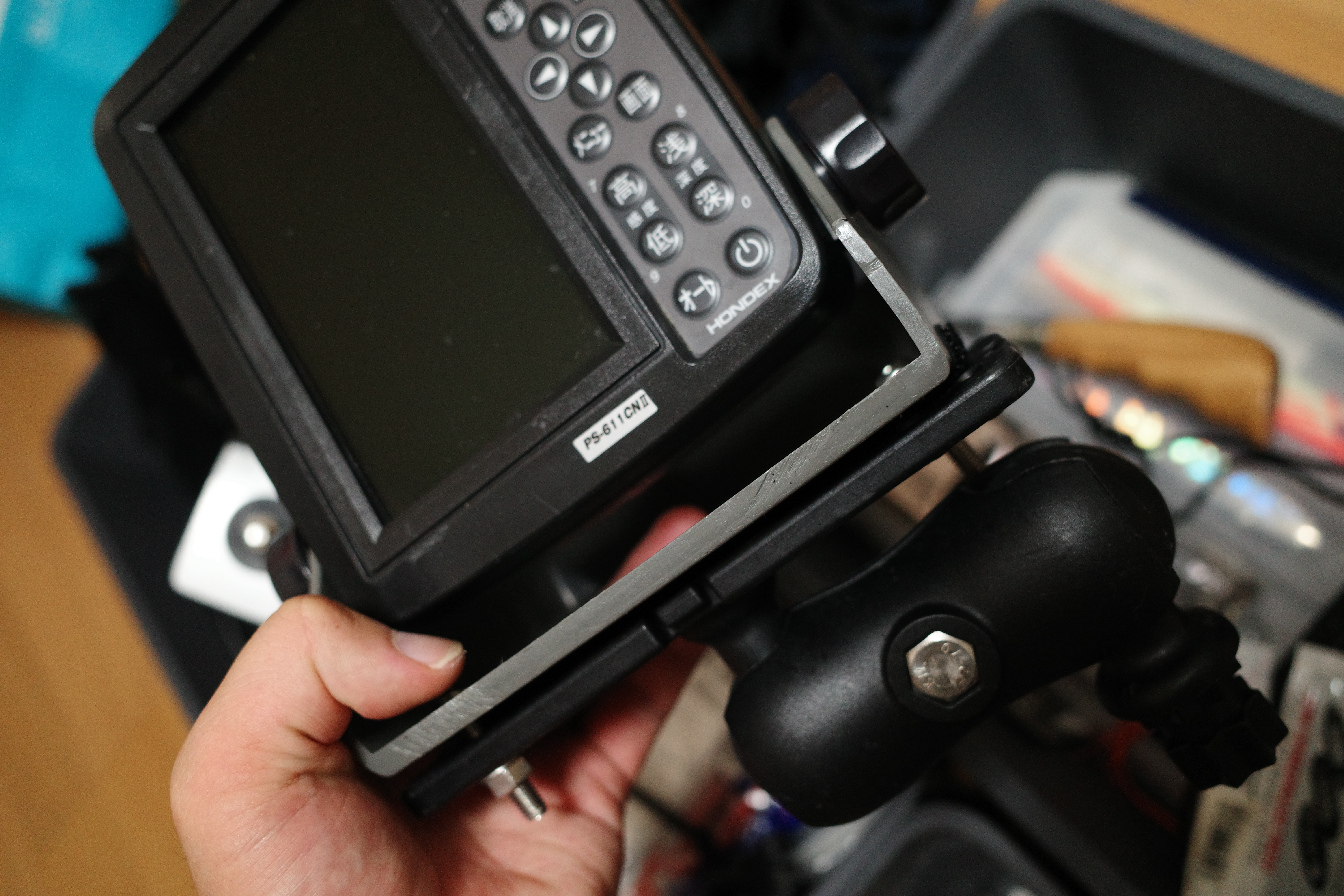
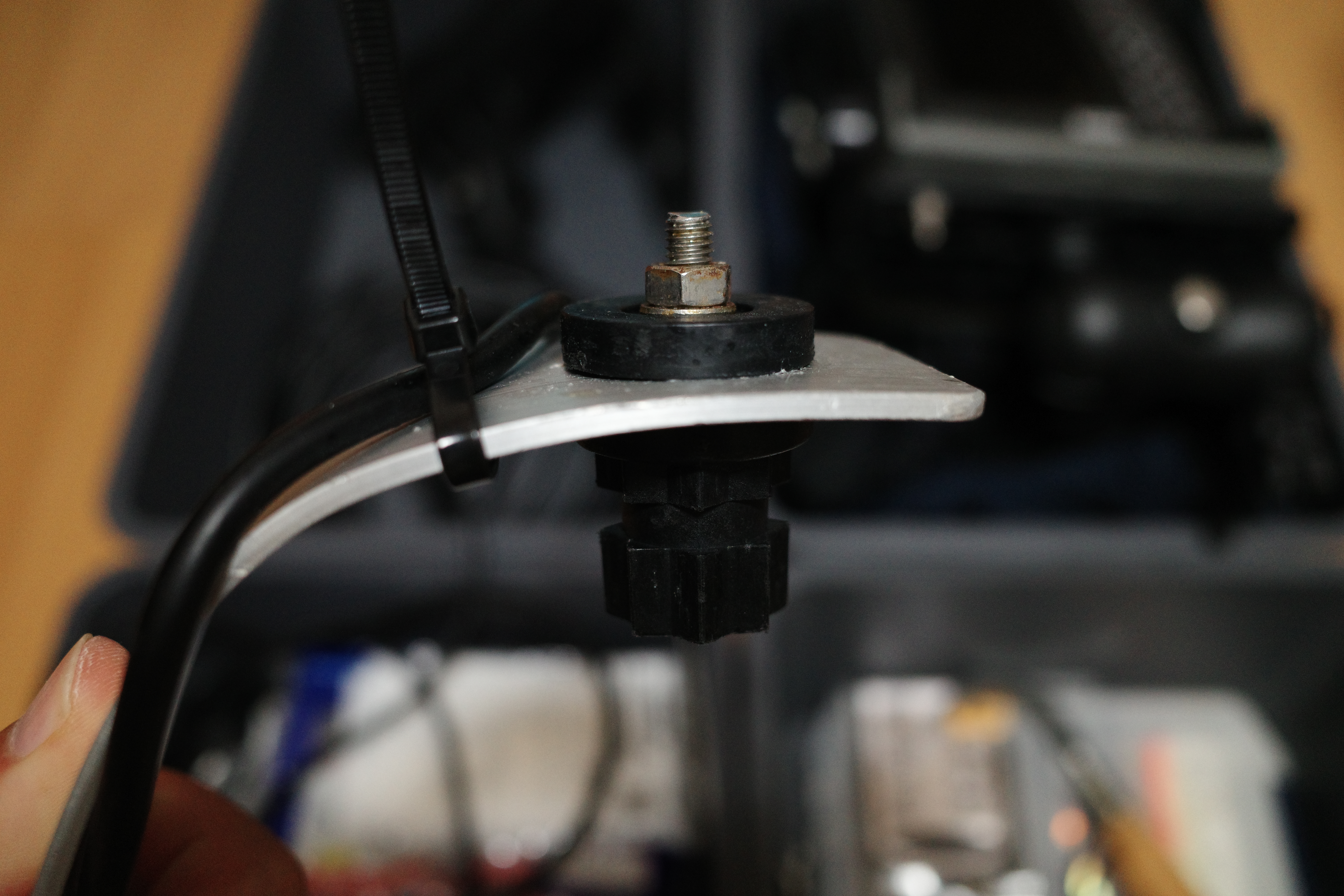
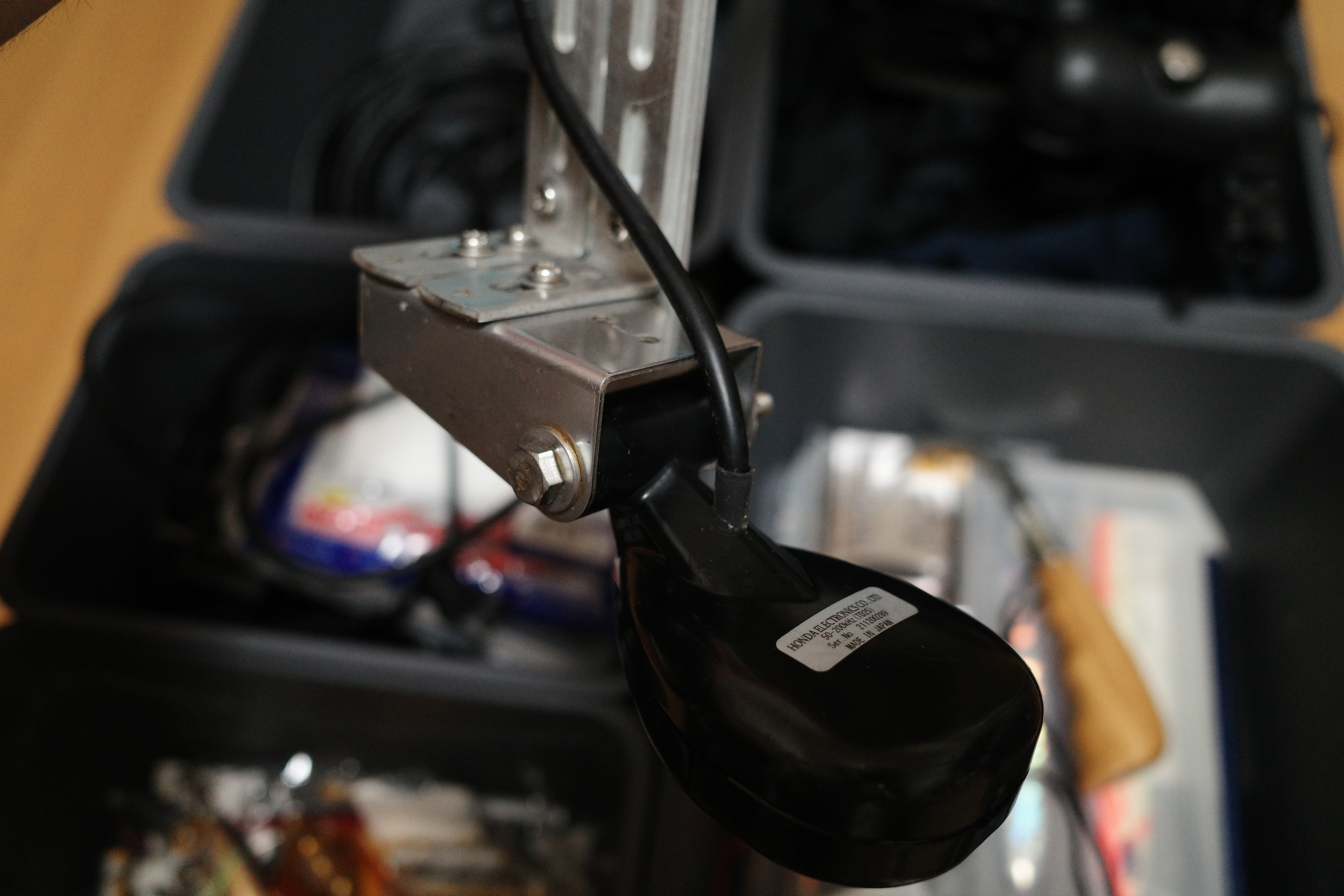
I use a HONDEX PS-611CNⅡ (¥61,600 including tax). It supports moderately deep water and can detect bottom to about 500m. Like the earlier PS-611CNⅠ, the 611CN series is excellent value, with standard sonar functions and GPS location. Unexpected current drift happens at sea; built-in GPS and displayed speed raise safety awareness. It runs on eight dry batteries or an external battery. I use DAISO alkalines, four for ¥100, costing ¥200 per trip. They last about 6–8 hours depending on season, so I replace them each trip. It creates waste, but compared with an external battery near ¥10,000, equivalent to 50 trips' batteries, I chose dry cells. Neither is universally right. Some batteries lack sufficient voltage to start the unit, so take care.
Clothing & Spare Clothes
Kayaking gets you wet, so bring a change. In summer, light clothing helps with heat and safety, though rash guards, tights and face coverings are recommended to limit exposed skin. Winter is harder. Wear a drysuit if possible: expensive, but it greatly reduces danger after falling in. Despite saying that, I use thin Montbell rainwear. It is very cold, but I value mobility. Avoid waders and heavy boots: they fill with water, restrict movement, and buckles would be difficult to undo calmly while sinking. For boots, Atom Green Master is good.
Food & Drink
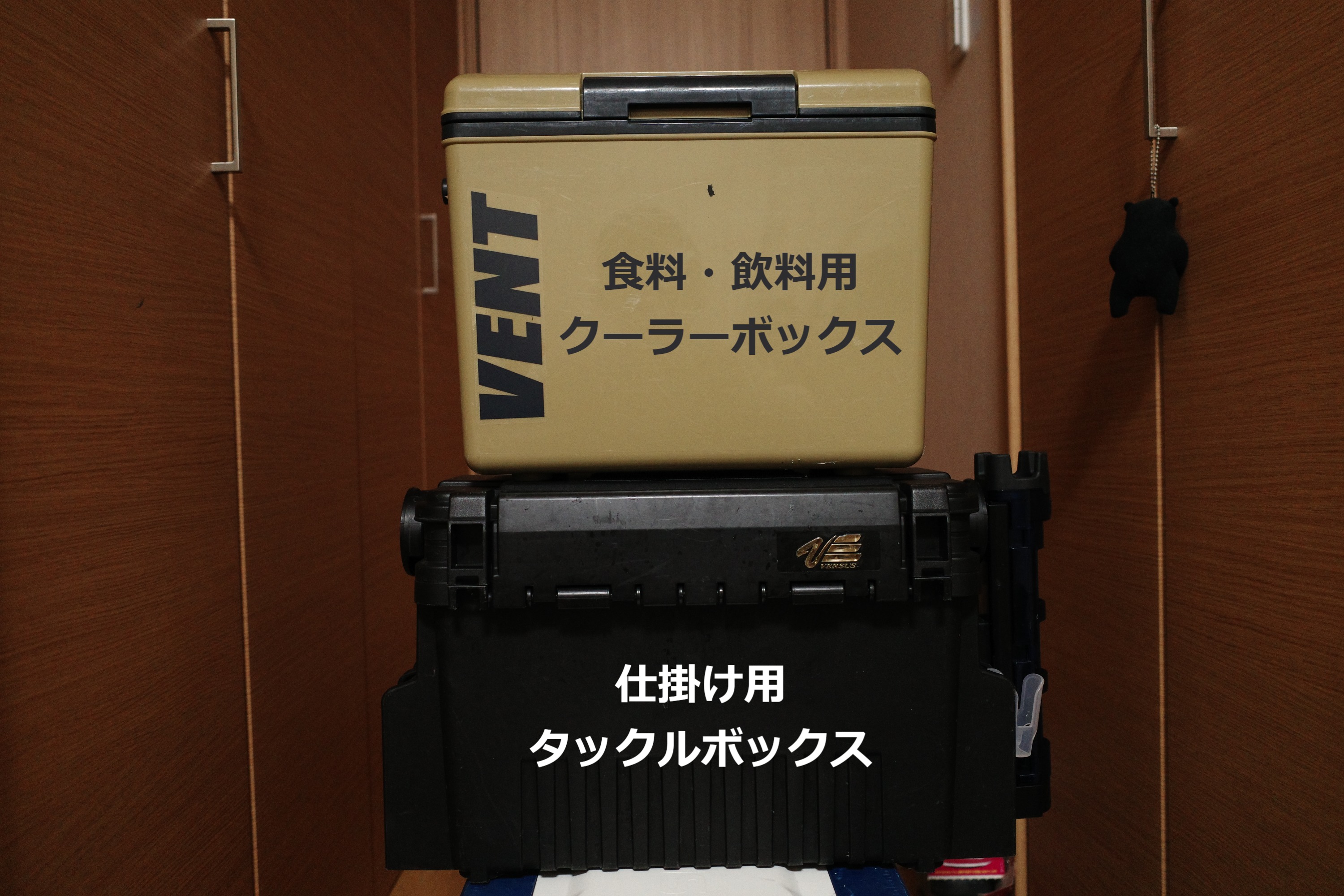
Kayak fishing demands stamina; always bring food and drinks. Especially in summer, keep salt tablets for heat illness preparation. My food cooler holds cornflakes in a container, bread sticks, two or three 600ml barley teas and salt tablets. Cornflakes recently proved excellent: quick sugar and nutrition, with crunchy texture that wakes my mind. Jelly drinks lacked fullness, which cornflakes solve. Bring more food and drink than seems necessary each trip. You have one life, and nobody can replace you.
Water
Not drinking water (though in an emergency it would become so), but washing water. I keep about five 2L bottles in the car to wash hands aboard and rinse sand off before packing. Take one aboard; it can be unexpectedly useful.
I once used a 20L tank, but poor handling made 2L bottles my preferred option.
Hard Cases for Small Items
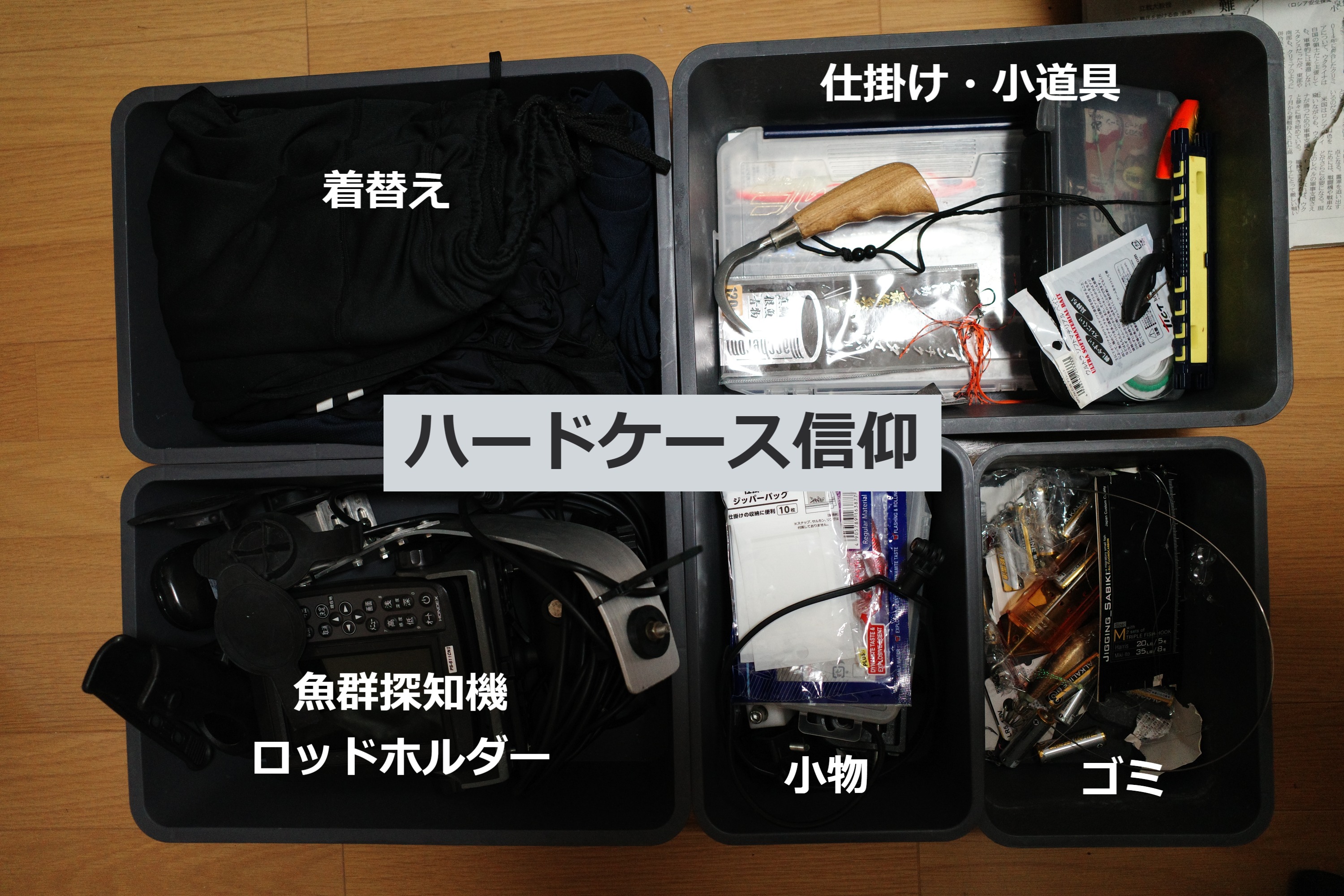
With so many small items, hard cases seem heaven-sent. Two or three each of large and small DAISO cases separate gear, clothes, trash and seawater-soaked rigs. They have made preparation and packing dramatically easier.
That completes preparation. Though I do not write one, keep a checklist like this in mind to avoid omissions.
□ Rods & reels □ Rigs & small tools □ Fish finder □ Spare clothes □ GoPro
□ Seat □ Propeller drive □ Paddle □ Dolly
Loading
I finish loading gear and putting the kayak on the car by sunset the day before. Doing it after waking means rustling around at 2 a.m. Consider family and neighbors: leave only a few items to carry out, start the engine and depart promptly. I keep only the cooler inside until adding ice just before leaving. Use trustworthy kayak straps and carry spares. I keep four 4m inno High Grade Belts; after about 5 years they still work perfectly, so I recommend them.
Go to Bed Early
Again, kayak fishing starts early. Aim for at least about 4.5 hours' sleep. Too little impairs judgment, increases seasickness and can cause overwhelming drowsiness while driving home. Put excitement aside and get to sleep. Good night.
Next: Departure, Fishing & Packing Away