Author: Store Manager A
○ Techniques Made Possible by Pedal Kayaks
Last time I shared how I discovered kayaking and the basics for a first kayak fishing trip. This time, as a Horizon Walker ambassador exploring Cirrus's potential, I will describe methods I have tried, my thinking, successes, failures, and recommended rigs and tackle.
As mentioned before, I am no professional—just a science graduate and angler who once helped marine research. The quality of what I write
remains amateur, but I will speak with confidence
(mainly because I have become hooked on the enjoyment of writing).
So, to cover myself, please read with an ocean-sized open mind: this is simply one kind of kayak angler.
Fishing techniques come in many forms; I will explain them individually. Before that, let me use this precious opportunity to introduce my YouTube channel.
Fishingkid channel ⇒
https://www.youtube.com/channel/UCdlcmz4tCRCSsKZaV9AySKA
<iframe width="560" height="315" src="https://www.youtube.com/embed/59aPRUh6exI?si=KeW8jQyFdL-_cIU7" title="YouTube video player" frameborder="0" allow="accelerometer; autoplay; clipboard-write; encrypted-media; gyroscope; picture-in-picture; web-share" allowfullscreen></iframe>
It features actual fishing with Cirrus.
Please watch, and subscribe if you like it.
Now, back to the subject…
• Jigging
Probably experienced by 99% of kayak anglers. Calling it synonymous with kayak fishing may overstate it, but if unsure what to try, I confidently say you cannot go wrong starting here.
Sink a lead or tungsten lure (sometimes aluminum or iron) to bottom, then retrieve with rhythmic lifts or steady winding to imitate fleeing prey and trigger predators. Tackle comes in spinning and baitcasting types.
What are their respective characteristics? Let's look.
【Spinning Reels】
Widely used from shore; most anglers have handled one.
Open the bail and gravity sinks the lure; turn the handle and the spool mechanism retrieves line. These reels give that famous drag sound. A big fish's first run makes the reel scream and floods your brain with adrenaline.
Everyone enjoys different aspects of fishing; some even choose reels by drag sound. I love the sound of SHIMANO STRADIC.
For anglers fishing both shore jigs and kayaks, spinning reels are highly versatile—a two- or three-in-one benefit.
Beyond sound, their drag braking is excellent. Smooth line release under sudden movement reduces overpowering and keeps tension steady, helping hooks stay put. But opening or closing the bail adds an action: when the finder marks fish and you want to drop immediately,
there is a slight delay.
You must also close the bail before retrieving after bottom contact, less ideal for quick-to-reject fish, though experience and skill overcome this.
【Baitcasting Reels】
Well suited to boat fishing—or more precisely vertical fishing. Many people cast them normally too, which I would like to learn.
They eliminate bail handling: one thumb switches the clutch
on or off. The moment fish appear, disengage and drop; at bottom, turn the handle to engage and retrieve immediately.
Jigging exploits predatory reflexes. Retrieving immediately on bottom contact imitates a weakened falling fish suddenly summoning its strength to flee, which can trigger catches. Baitcasters excel here.
Many, however, have no drag sound. Watching line quietly hiss out under a large fish feels a little lonely, though some have a drag-sound system.
I also feel spinning reels have better drag braking.
Spinning drag feels adjustable in 1% steps, baitcasting more coarsely in 5% steps. With a big fish, even force that should release line
may not do so, then beyond a threshold it releases suddenly.
It feels as if the reel is jerking me around, and I have lost large fish because of it several times.
【Yoko C's Jigging Tackle】
Kayak fishing targets species large and small. Here is the jigging tackle I have used, its feel and value, based on experience. I sold older setups, so detailed model numbers may contain errors.
Prices are as of September 2023 and vary slightly by website.
○ DAIWA Kyohga X63B-3 (official ¥15,500) + SHIMANO 19 Barchetta 150DH (¥31,134)
I bought this for a cutlassfish charter after enthusiastically asking a tackle shop to set me up immediately. Its moderate stiffness makes jigs easy to work. Despite knowing little about jigging, I caught a dragon-sized cutlassfish on my first charter and appeared in its catch report. This setup ignited my jigging passion.
It was versatile enough for frigate tuna and mackerel too,
not just cutlassfish. The reel's counter made depth easy to track, invaluable when cutlassfish change depth frequently. I chose it for its handsome double handle but felt no clear advantage of double over single handles.
○ DAIWA Kyohga AIR 64S-3 (official ¥15,800) + DAIWA LEGALIS 4000CXH (official ¥13,600)
Finding baitcasting slightly awkward, I assembled this to focus on one-pitch jerking. Looking back, a 4000-size reel was very awkward for kayak fishing.
Its size obstructed a cramped kayak. Why choose such a large reel? I repurposed my shore-jigging reel. As explained later, I now use a 3000-size spinning reel.
I conclude that compact gear is best aboard. The rod, in a phrase, was a little too soft.
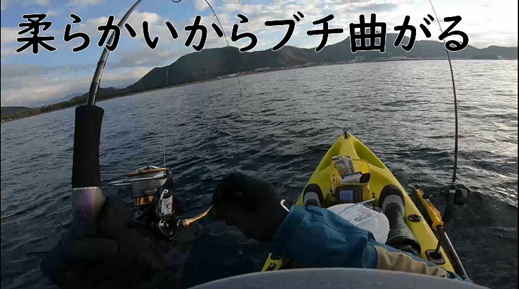
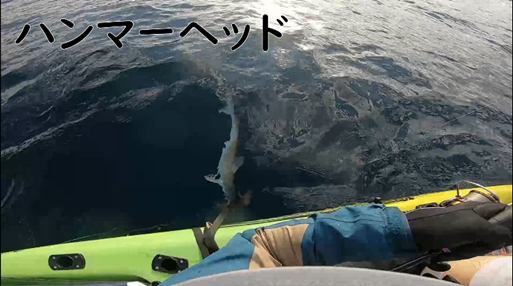
Still, it caught 40cm sea bream, 70cm yellowtail and a hammerhead nearly 1m long. Tackle manufacturers' tireless work deserves respect.
But softness absorbs input in the bend rather than moving the lure sharply. Trying to speed it up made me jerk harder and tire faster. Today I would use it for super-light jigging. It taught me that soft rods do not suit fast presentations.
○ DAIWA Kyohga AIR 64S-3 (official ¥15,800) + SHIMANO 19 STRADIC 4000XG (¥22,407)
With mysterious determination that it was time to buy a display-case reel, I foolishly chose another 4000. Retrieve increased from 70cm to 101cm per turn, easing deep-water fishing.
It also made me appreciate LEGALIS's value and slightly regret selling it.
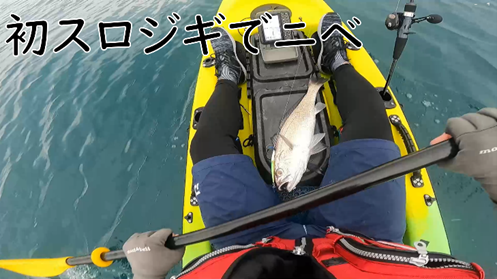
○ DAIWA VADEL J60MB (official ¥19,900) + DAIWA VADEL BAY JIGGING 100SHL (official ¥19,400)
Inspired by who knows what, I declared slow jigging the future and bought this setup. Though a right-hand retrieve user, I bought the L model simply because it was the only one in stock. That began my ordeal.
The tackle itself had no fault: butt rebound easily works 130–150g jigs; the whole rod bends smoothly, reducing tip-wraps. A 75cm retrieve handles slow and fast presentations alike—a true all-rounder.
I recommend it to anyone assembling a baitcasting jigging outfit. Left-handed winding was agonizing, though. Refusing purchase regret, I responded to its awkwardness with
“Ah, so that's how you are. Fine—I'll master you.”
An odd attitude, but adaptation is remarkable: my current OCEA CONQUEST is a 30“1”XG. I doubt I will ever jig with a right-handed baitcaster again.
○ SHIMANO GRAPPLER BB Type Slow J (official ¥20,800) + SHIMANO GRAPPLER 301HG (¥33,000)
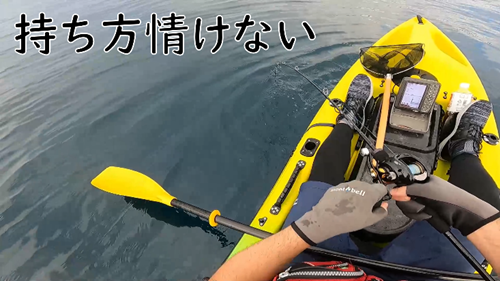
Possessed by thoughts of deep water, blackthroat seaperch and slow jigging, I bought this without thinking ahead. All tackle from here was used on Cirrus. The catches justified its price.
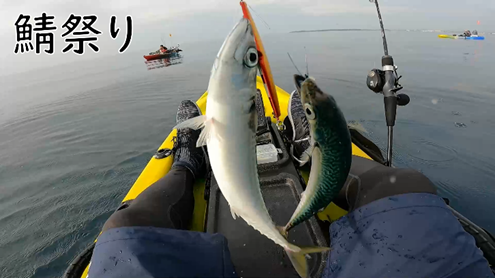
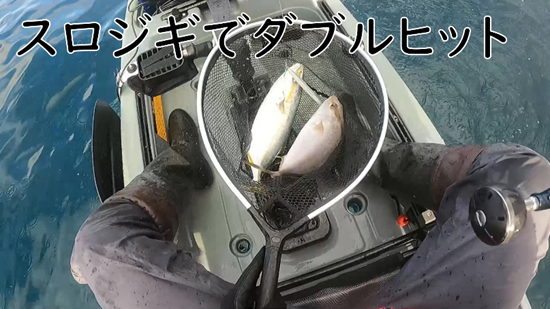
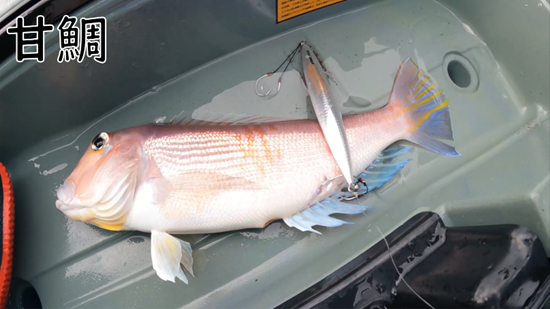
A single 250g jig caught all sorts from 15m to 330m, generally good-sized fish, perhaps because of the large lure: yellowtail, amberjack, juvenile bluefin tuna (to be released), groupers, gurnard and tilefish. The list
goes on. This was the most productive tackle in my fishing life.
Slow jigging focuses on the fall. Lure shape, falling action and pattern stimulate predatory instincts exquisitely, leaving the angler little to think about.
Lift, drop, lift, drop, lift, drop—oh, a bite. It also freed me to observe the sea more closely.
Like most anglers, I believe sea conditions and catches are closely linked: current direction, color, temperature and countless other factors. Slow jigging feels almost certain in the right place, which I define as something different from its surroundings. Tide lines are the clearest example.
Different water masses meet, creating distinctive currents where zooplankton, baitfish and predators gather. I have not seen underwater, and finder marks may be unremarkable, yet simply hunting tide lines produces steady catches, suggesting the theory is right.
Likewise, disturbance on an otherwise calm surface may signal baitfish; driftwood may hold mahi-mahi. Thoroughly investigating anything unusual matters especially in slow jigging. This wonderful method changed how I read the sea.
The drawback: tiring. That's all.
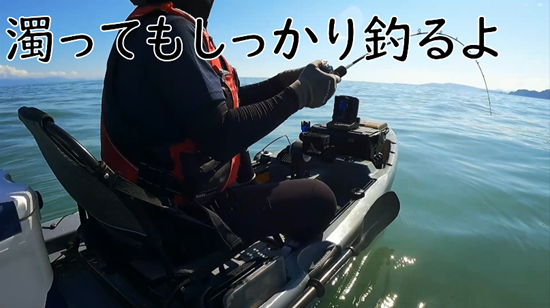
○ SHIMANO GRAPPLER BB Type Slow J (official ¥20,800) + OCEA CONCEST 301XG (¥51,200)
The ultimate slow-jigging form and my current setup. Nothing scares me now. Moderately deep water? Practically shallow.
This reel overturned my view of tackle so completely I recalled a university friend saying, “A rod can be pipe or bamboo—spend your money on the reel.”
Banging it on concrete while packing makes me want to spend the day in bed. Treat all your gear carefully.
○ DAIWA VADEL LJ63XHS (official ¥21,500) + DAIWA LEGALIS 3000D-C (official ¥13,600)
My current spinning jigging outfit. Here I want to praise the LEGALIS reel.
I use LEGALIS for horse mackerel, squid, shore jigging and boat jigging. Its value is outstanding: this performance for a little over ¥10,000 inspires trust. Its LT concept means Light and Tough—exactly that.
The C in 3000D-C means Compact: a 3000 spool on a 2500-size body. D means Deep spool, increasing line capacity and the range of fishable depths.
Though the rod's recommended maximum lure weight is 150g, I use 40–80g. A 60g lure feels easiest to work and seems to draw out its best. With PE #1.2, I landed a huge yellowtail after an hour. Light, small, strong and easy to use: I will keep favoring LEGALIS.
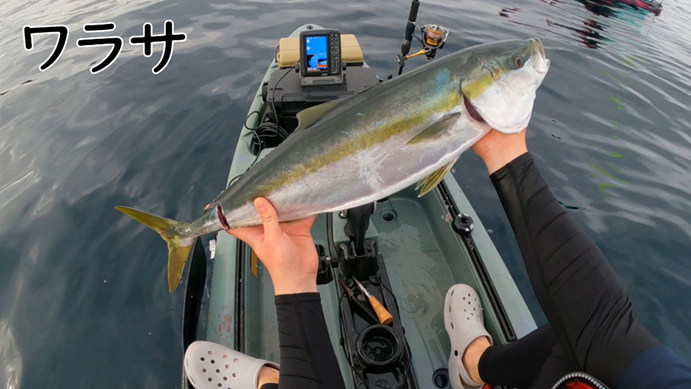
○ Bonus
• Jig-Sabiki
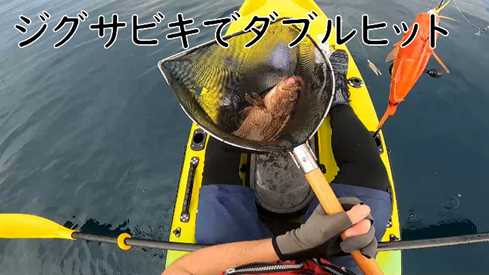
Use jig-sabiki when catches matter most. It brings unwanted lizardfish but also welcome horse mackerel and grunt. I recommend Zeake size M: fish like it, line holds up and hooks resist rust, allowing repeated use.
Sorry jigging alone became so extensive. I have no regrets.
Next time I will cover tai rubber. Thank you for reading to the end.