Author: Store Manager A
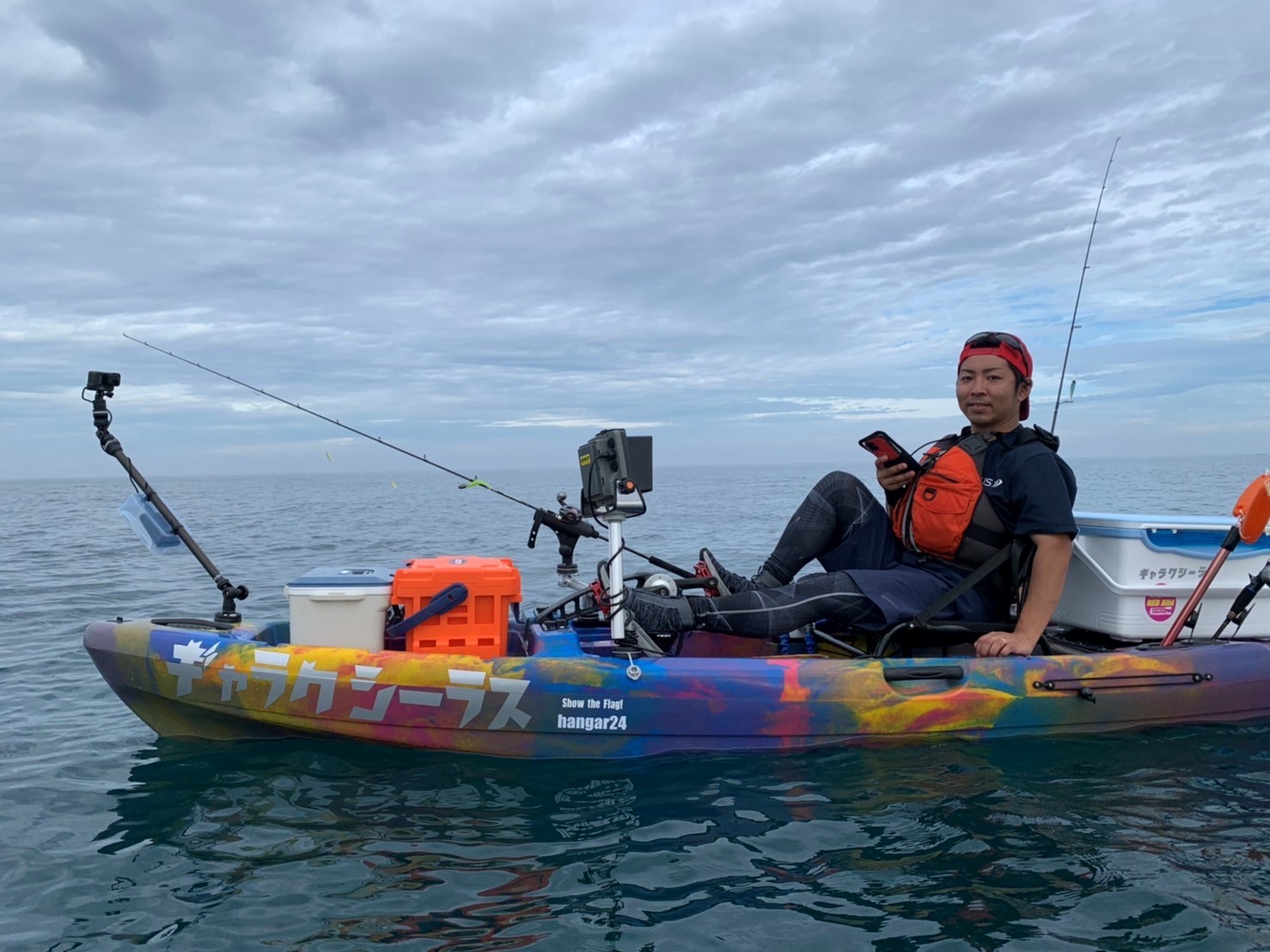
One type of kayak is the pedal kayak. As its name suggests, pedaling with your feet generates propulsion. Many people wonder how it differs from paddled kayaks and when it is used.
Pedal kayaks are mainly used on large lakes or at sea for fishing.Compared with paddle kayaks, they turn less tightly but hold position more easily and save arm endurance for fishing.
This article explains pedal kayak types, benefits and selection, along with precautions for use. We hope it helps.
Contents
Deck Space & Number of Rod Holders
Size & Weight for Easy Transport and Storage
Repair Parts, Replacements & After-Sales Service
Precautions When Using a Pedal Kayak
Check Waves, Wind & Temperature Beforehand
Keep Your Center of Gravity in the Center
Equipment Needed for Pedal Kayaks
What Is a Pedal Kayak?
A pedal kayak generates propulsion with your feet. Pedals inside the kayak drive fins or a propeller. Ordinary paddle kayaks use a Paddle to move forward, backward and turn, requiring arm strength to move water. Legs are stronger, so pedal kayaks are relatively less tiring.
This makes them suitable for seas and large lakes where longer travel is needed. Next, we explain their types and benefits in detail.
Types of Pedal Kayaks
Pedal kayaks fall broadly into these two types.
● Fin Type
● Propeller Type
Each has distinct benefits and drawbacks. Imagine your actual use to choose the best option.
Fin Type
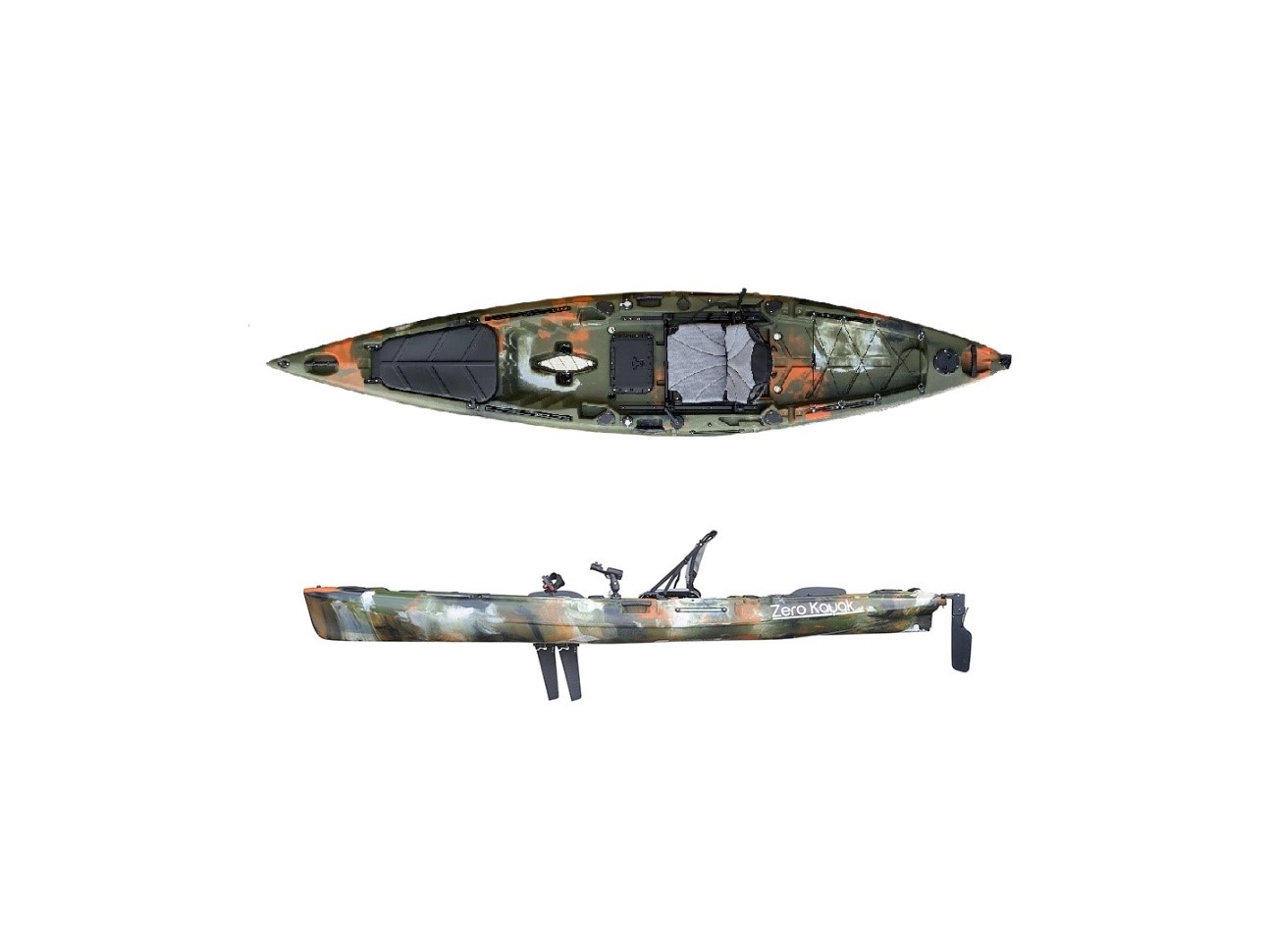
Fin kayaks move by operating fins attached under the hull. Pedaling drives the fins to propel the boat.
Fin type characteristics are as follows.
● Loses little speed when pedaling stops
● Easy maintenance
● Easy removal and installation
● Only a few models reverse
Fin kayaks are designed to minimize wave resistance, allowing easy progress with little effort.Their stroke is back-and-forth rather than bicycle-like rotation, so some people find them easy once moving, rather like a bicycle's momentum. Even those concerned about stamina can travel farther or longer. They also build speed more easily than propeller types, useful for fishing broad seas and lakes.
On the other hand, drawbacks include most models' inability to reverse and expensive repairs when they fail.Some reversible models cost in the ¥500,000 range, a substantial initial outlay.
Propeller Type
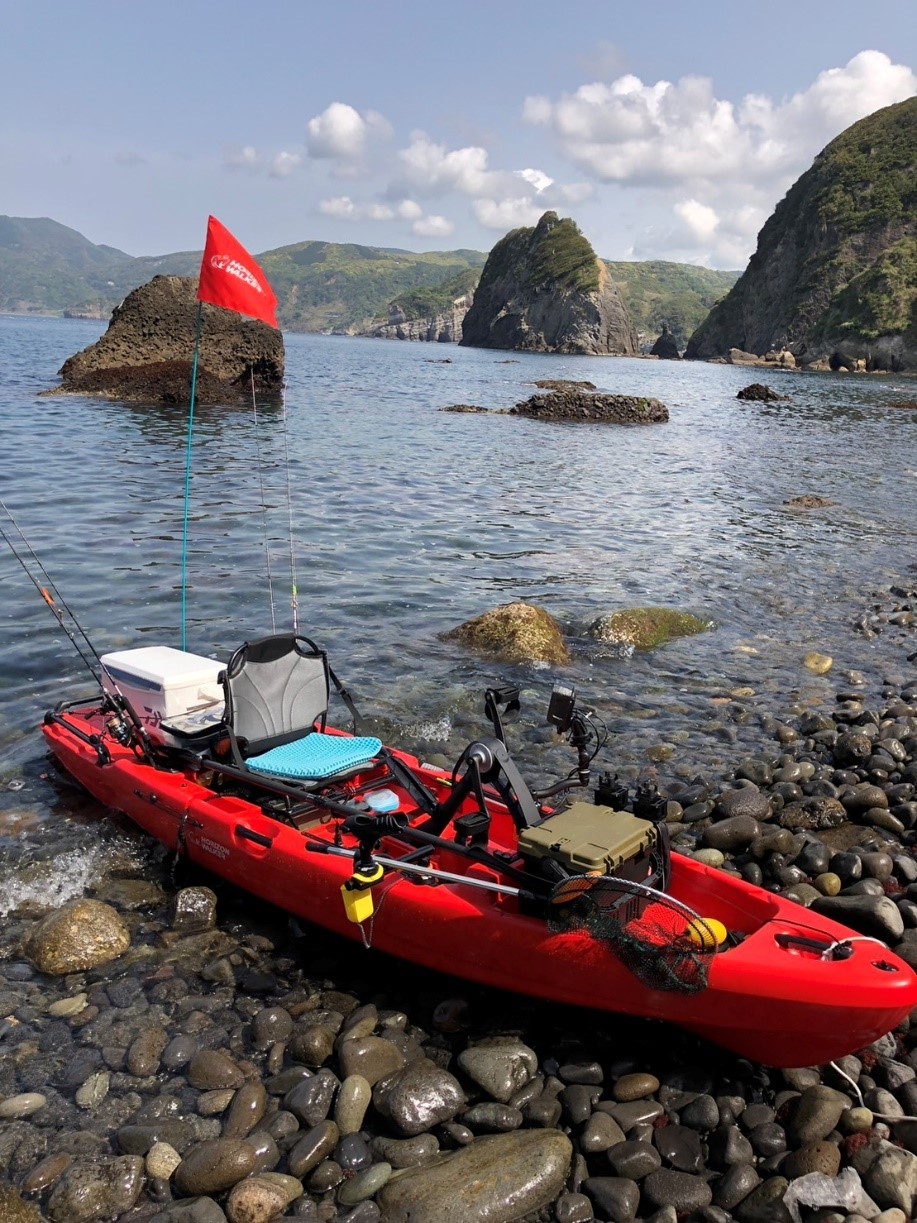
Propeller kayaks use bicycle-like rotating pedals to turn a propeller and generate thrust.
Propeller Type Characteristics
● Easy reversing
● Relatively affordable
● Heavy unit
● Takes up space
A major feature of propeller kayaks is easy reverse. No special operation is needed: pedal backward and immediately reverse, an advantage over fins. You can quickly back away if too close to a seawall, wave blocks or another kayak, and
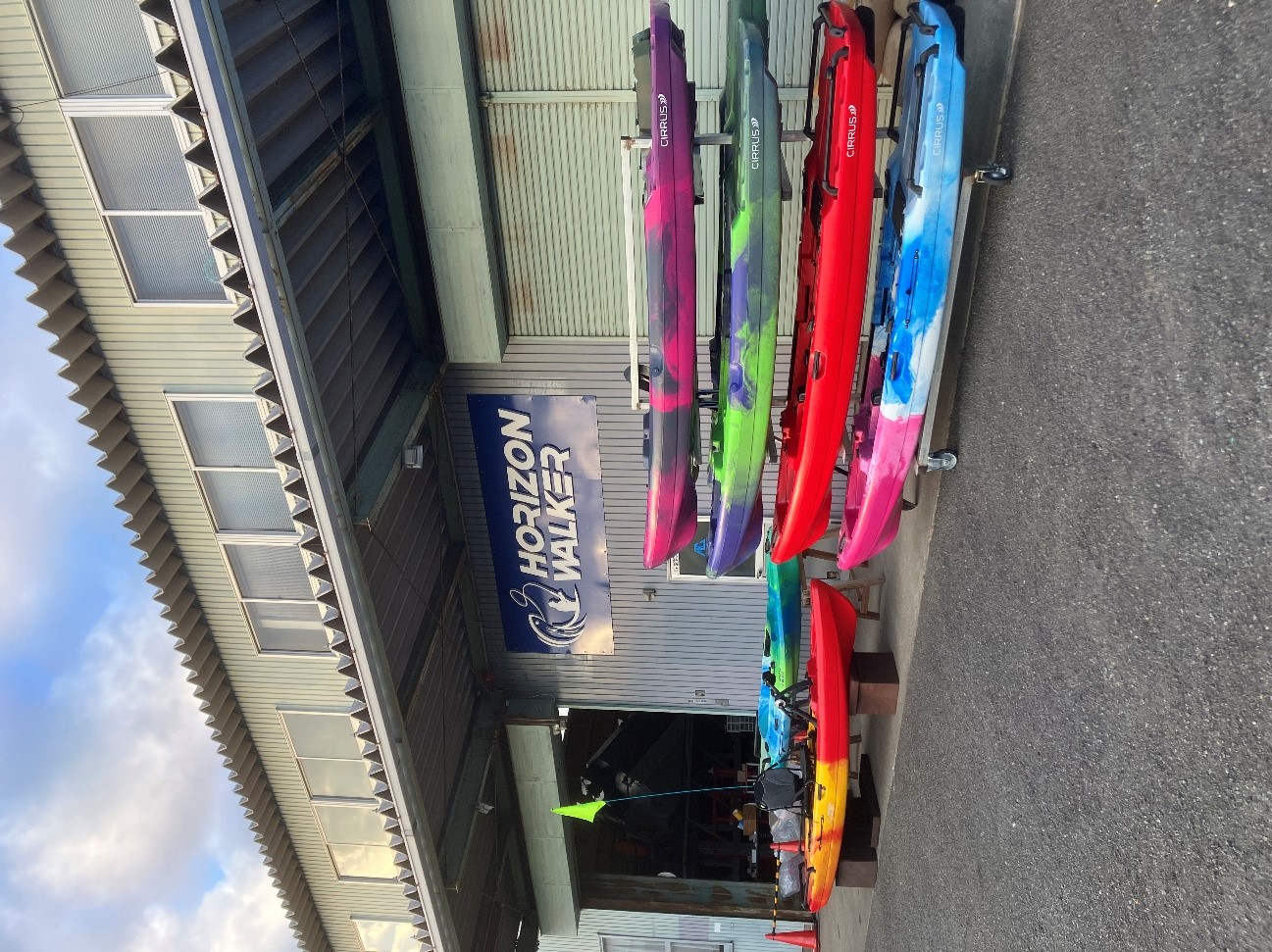
compared with fins, propeller types also have relatively low prices. Many manufacturers and dealers, including Horizon Walker's Cirrus, offer them at around ¥200,000. They suit those keeping costs down.
While maneuverability and price are advantages,the drive is heavy and structurally bulky, taking considerable car space.
Pedal kayaks come in fin and propeller types.Understand their pros and cons and choose to suit your style.
Benefits of Pedal Kayaks
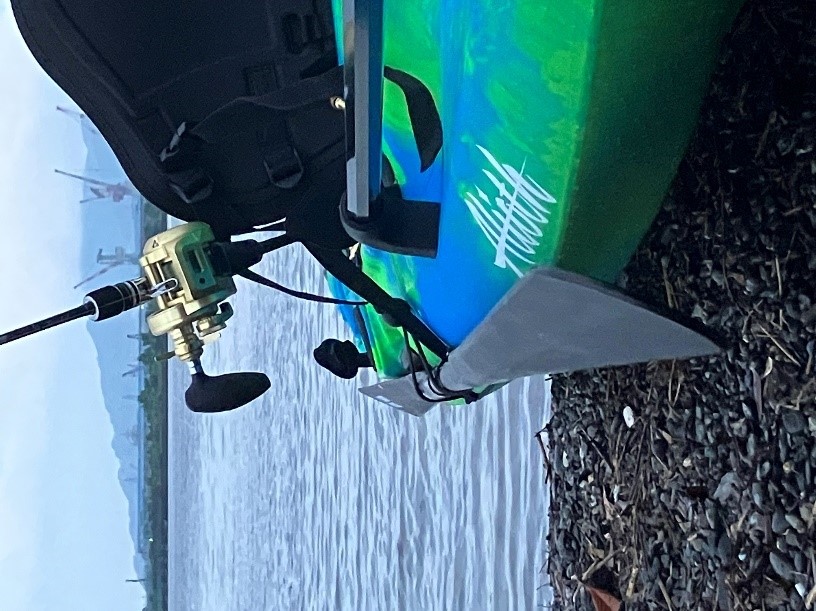
Pedal kayaks offer a different appeal from paddled kayaks.
Their benefits include:
● Steady propulsion
● Speed from leg power
● Easy operation
● Convenience with less fatigue
● Freedom for both hands
Let's explain each. We hope it inspires you to try a pedal kayak.
Steady Propulsion
Steady propulsion is a major benefit. Fins or propellers remain underwater. Paddle kayaks can be harder to handle and propel in strong wind or rain. Pedal kayaks generate thrust simply by pedaling, making progress easy. Their design also reduces wave effects for smooth travel.
Moving over waves while feeling the breeze is wonderfully pleasant. Try kayak fishing on a sunny, calm day.
Speed from Leg Power
Pedal kayaks can go faster than paddled kayaks. Leg power transfers more force than arm-powered paddling. Faster travel gets you farther in less time and back sooner, helping you enjoy stress-free fishing.
For fishing, quickly reaching an interesting spot is a major advantage. “There's a feeding boil over there—we need to hurry!” There is no need to scramble for your paddle,switch to it and paddle; smooth travel is a special benefit of pedals.
Easy Operation
An often overlooked benefit is simple operation. Pedal to go forward and operate the hand-controlled rudder to turn.
Paddle kayaks use the paddle for propulsion and turns, requiring technique to move water. Paddling is part of kayaking's fun, but people focused solely on fishing may find the learning stage frustrating.
Beginners can quickly move and turn without complex controls—a distinctive attraction of pedal kayaks.However, a skilled paddler in a similarly sized kayak can be faster and more maneuverable. Basic paddling skills remain essential even in a pedal kayak.
Convenience with Less Fatigue
Pedal kayaks require relatively little effort. Hulls resist waves less and propulsion remains underwater, allowing easy movement with little force. Leg muscles are larger and stronger than arm muscles, making travel more powerful and less tiring than paddling.
They are also recommended for long-distance or extended travel. Even those unsure of fitness may find them approachable. Still, do not overdo it.
Freedom for Both Hands
Pedal kayak control barely uses your hands except for rudder steering, so both hands are free for your phone, a drink or changing lures while pedaling.
This comfort far exceeds constantly holding a paddle. Fishing itself often occupies your hands, so they will rarely be completely idle, but freedom to use them is a substantial benefit.
Pedal vs. Paddle Kayaks
Pedal and paddle kayaks mainly differ in operation. You may wonder what else differs.
Here is a broad comparison.
| Pedal Kayaks | Paddle Kayaks |
Propulsion | Fins / Propeller | Paddle |
Travel speed(Beginner) | Fast | Slow |
Weight | 30kg〜50kg | 15kg〜40kg |
Handling | Easy even for beginners | Requires learning |
Intended use | Focus on fishing | Enjoy the sport of paddling too |
Waterways Used | Unsuitable for shallow ponds and marshes | All-round use |
Price | From ¥150,000 | From ¥100,000 |
Propulsion
A defining difference is propulsion.
Each uses the following:
Pedal kayak propulsion: fins or propeller
Paddle kayak propulsion: paddle
Fins or propellers are mounted beneath the hull and stay underwater while aboard. Even in bad weather, they generate thrust underwater without extra effort.
Paddle kayaks move using a paddle. Strong wind and rain create larger waves, while arms already working hard at fishing must provide propulsion too, increasing fatigue.
Handling
Handling also differs clearly. Neither control system is inherently complex, but paddle kayaks require paddle technique. Because they are often used recreationally for river trips, technique plays a major role.
Pedal kayaks move by pedaling and turn by rudder adjustment, requiring no advanced technique.Basic paddling practice remains necessary, but knowing controls are simple may make starting less daunting.
Travel Speed
Travel speed differs too. Pedal kayaks are generally faster. Speed in paddled kayaks requires improving technique; legs transmit more power than arms, and pedal hulls reduce wave resistance, so even beginners progress easily.
However, paddle kayaks can be fast in some settings, such as riding river current. That is more a difference in intended use than inherent speed.
For quick travel across broad waters, pedal kayaks move faster.
Weight
Pedal and paddle kayaks also differ in hull weight.
Approximate weights are:
Pedal kayaks: 30–50kg
Paddle kayaks: 15–40kg
Pedal boats are heavier; paddled ones relatively light. Greater weight makes transport harder. Large hulls also need storage planned before purchase to avoid difficulties afterward.
Large kayaks are mainly transported on cars. Ensure the vehicle and carrier load capacities are not exceeded.
Intended Use
Their purposes differ too: pedal kayaks mainly support fishing, while paddle kayaks emphasize enjoying handling. For fishing, choose pedals;for both fishing and recreational sport,also consider a paddle kayak.
Waterways Used
Suitable waterways are another difference to consider.
Pedal drives extend downward as propellers or fins. Mishandling in shallow ponds, marshes or sea surf can damage them.
Paddle kayaks are not constrained by depth, but broad waters require paddling skills.
An unsuitable location can hinder control and increase capsize risk. Remember broad waters for pedals, smaller waters for paddles while you lack confidence.
Price
Price is another major difference.
Typical ranges are:
Pedal kayaks: from ¥300,000
Paddle kayaks: from ¥100,000
Pedal kayaks generally cost more, with more additional equipment raising total expense. Paddle kayaks need less equipment and cheaper hulls, making purchase easier. But purposes and suitable waters differ distinctly. Avoid a casual decision such as “I want a kayak for sea fishing, but pedals cost too much, so I'll buy an approximately 10ft paddle kayak instead.”
Pedal kayaks divide into fins and propellers; prices vary by type, with inexpensive ones sometimes available for a little over ¥100,000. Understand prices and consider your budget before buying.
How to Choose a Pedal Kayak
We have covered characteristics, benefits and differences from paddle kayaks. You may still wonder how to choose specifically.
This section explains selection so you can avoid regrets after purchase.
Consider the following:
● Kayak type
● Price
● Deck space and number of rod holders
● Maximum load capacity
● Size and weight for transport and storage
● Repair and replacement parts and after-sales support availability
Kayak Type
First consider kayak type.
There are two pedal kayak types:
● Fin type
● Propeller Type
The main difference is whether propulsion uses fins or a propeller. Fins offer faster average speed over long distances and less fatigue, but only some reverse and many are expensive.
Propellers have the opposite trade-offs:heavy, bulky units, but easy reversing without special controls and lower prices.
Choose based on budget and the nature of your waters. Broadly, we recommend:
● For long travel or those prioritizing ride comfort → fins
● For easy forward/reverse switching—quick pedal response—and lower costs → propeller
Deck Space & Number of Rod Holders
Deck space and rod holder count matter. A cramped deck compromises hand freedom and limits equipment space, possibly preventing you carrying needed tackle. Check there is enough room.
For fishing, also consider how many rod holders you need.Jigging, tai rubber, topwater—taking several kinds of rods requires storage. More holders allow more rod types for efficient fishing.
Maximum Load Capacity
Check maximum load as well as space and holders. Overloading requires greater propulsion effort and makes balance harder, increasing capsize risk. Never exceed capacity.
Count rods, coolers, your own weight, food and drink in the total, and stay within the proper load. Capacity varies by model. Simply choosing a high-capacity boat for more gear may make transport difficult.
Size & Weight for Easy Transport and Storage
Consider transport and storage, particularly size and weight. Large kayaks need storage space and are also heavier, making carrying and roof loading more difficult.
Especially heavy models weigh 40kg or more, making car loading difficult. For heavy kayaks, consider a kayak lift and a cart to help with transport.
Repair Parts, Replacements & After-Sales Service
Careful maintenance matters for long life, but some parts need replacing even with diligent care. Such parts are called “Repair and replacement parts.”
When buying, check repair and replacement parts are sold there too. Without them, broken parts cannot be replaced, and continuing with worn parts may cause unexpected accidents.
Beginners should check after-sales service too: warranty repair or replacement for hull or drive failures. Conditions usually apply, so confirm them at purchase.Horizon Walker provides a 5-year hull warranty and 1-year drive-unit warranty.
Price
Budget matters too. Kayak prices range widely from a little over ¥100,000 to more than ¥600,000.
Prices generally vary with drive and equipment quality, but more expensive does not necessarily mean better performance.
Many affordable models provide ample enjoyment. Choose to suit your intended use and location.
Precautions When Using a Pedal Kayak
Pedal kayaks are enjoyable fishing craft but dangerous if used incorrectly. Understand precautions and use them safely.
Precautions include:
● Flag Always raise a
● Check waves, wind and temperature beforehand
● Always Wear a Life Jacket
● Keep your center of gravity centered
● Practice re-entry
● Observe maximum load capacity
● Never push beyond your limits
Always Raise a Flag
Always raise a flag when taking a pedal kayak to sea.Near large ports especially, cargo ships, fishing boats and ferries move frequently.They may not see your kayak. Make your presence known to others. A flag is essential to protecting yourself.
Check Waves, Wind & Temperature Beforehand
Check waves, wind and temperature before kayaking. High waves are unsuitable. Steady propulsion in poor conditions is an advantage, but do not become overconfident.
Even calm waves can hide fast currents. Drifting can reach river-like speed, making control difficult. Strong winds also tend to raise waves, so consider all conditions before deciding to launch.
Always Wear a Life Jacket
Always wear a life jacket. It makes a major difference to survival after falling in.
Not every life jacket is suitable: choose one for kayaking and paddling that will not hinder re-entry. Water-activated inflatables may trigger unintentionally; manual ones cannot be activated if you lose consciousness from heat illness or similar. Once inflated, they obstruct re-entry and may hinder paddling afterward.
Keep Your Center of Gravity in the Center
Keep your center of gravity in the kayak's center to prevent capsizing. Twisting to reach a cooler behind you can destabilize it.
Pedal kayaks are generally stable and rarely capsize unless weight shifts significantly. Still, practice and learn to stabilize your center of gravity before actual outings.
Practice Re-Entry
Practice re-entry for a possible capsize. Avoiding capsize is best, but preparing for it also matters.
Re-entry follows these steps:
● Right the overturned kayak
● Bring your upper body onto the kayak
● Climb aboard
https://www.youtube.com/watch?v=LEh6cUsW92U&t=86s
Re-entry video
Words alone may be hard to picture. Videos help, but practical training is best. Learn the sensation of boarding from the water to prepare for an emergency.
Never Push Beyond Your Limits
The most important rule is never overreach. Beginners may launch recklessly without knowing their ability. Challenges beyond your capability can lead to maritime accidents.
At sea, do not overestimate your ability; prioritize safety. You wait for a holiday, forecast and tide look good, friends are free, and after a 3-hour drive arrive to unexpected wind or waves—or discover you forgot a life jacket or flag. We understand the reluctance to give up, but courage to withdraw matters. Understanding danger as well as enjoyment is the first step toward becoming an advanced kayak angler.
Equipment Needed for Pedal Kayaks
Pedal kayak gear includes essentials and useful extras. Prepare what you need for safe, comfortable fishing.
Essential Items
Essential pedal kayak equipment:
● Life jacket (with whistle)
● Paddle (backup)
● Flag
● Leash cord
A life jacket is needed in case of capsize. Carry a paddle even with pedals so you can return if propulsion fails.
Flags and whistles alert others to your presence, useful when yachts or personal watercraft approach. A whistle also increases the chance of being found in distress.
Leashes prevent equipment loss and can help organize limited space. But putting them on everything hinders handling and can entangle your body during re-entry, potentially causing drowning. Keep them to a minimum.
Useful Extras
These extras are not essential but useful. If practical, prepare them for more comfortable fishing.
● Fish finder
● Polarized glasses
● Waterproof case
● Rod holder
● Spare fins (for fin models)
● Landing net
Fish finders, polarized glasses and landing nets improve efficiency. You can manage without them, but they are recommended for enjoying fishing fully.
Use a waterproof case for your smartphone.
Summary
Pedal kayaks offer steadier propulsion than paddled ones. Fin and propeller types each suit different waters.
When choosing, consider:
● Kayak type
● Price
● Deck space and rod holder count
● Maximum load capacity
● Size and weight for transport and storage
● Repair parts, replacements and after-sales support
Pedal kayaks suit fishing, but adequate safety is essential at sea. Understand selection and precautions for safe, comfortable kayak fishing.